
That sharp little zing when you sip something cold, bite into ice cream, or breathe in winter air — if you know the feeling, you have sensitive teeth. Tooth sensitivity is incredibly common, and the good news is that it's almost always treatable once you know what's behind it.
This guide explains what causes sensitive teeth, how gum health plays a role, what you can do at home, and when it's time to ask your dentist for help.
What Causes Sensitive Teeth?
Healthy teeth are protected by a hard outer layer of tooth enamel. Underneath sits dentin, which contains tiny channels leading to the nerve. When enamel wears thin or the tooth root becomes exposed, those channels let hot, cold, and sweet sensations reach the nerve — and that's the zing of dentin hypersensitivity.
The most common causes of sensitive teeth include:
- Worn tooth enamel from brushing too hard or using a hard toothbrush.
- Acidic foods and drinks that erode enamel over time.
- Gum recession that exposes the sensitive tooth root below the gum line.
- Teeth grinding (bruxism), which wears enamel and can stress teeth.
- Tooth decay, a cracked tooth, or a worn filling that exposes the inner tooth.
- Recent dental work or teeth whitening, which can cause temporary sensitivity.
Pinpointing which of these causes sensitive teeth in your case is the first step toward relief.
Sensitivity and Gum Disease
Your gums matter as much as your enamel. When gum disease takes hold, plaque buildup along the gum line inflames and pulls the gum tissue away from the teeth. That gum recession exposes the tooth root, which has no enamel to protect it — so sensitivity sets in.
This is why ongoing sensitivity is worth taking seriously: it can be an early signal of gum disease. Treating the gum health problem doesn't just ease the sensitivity, it protects the long-term health of your teeth.
How to Treat Sensitive Teeth at Home
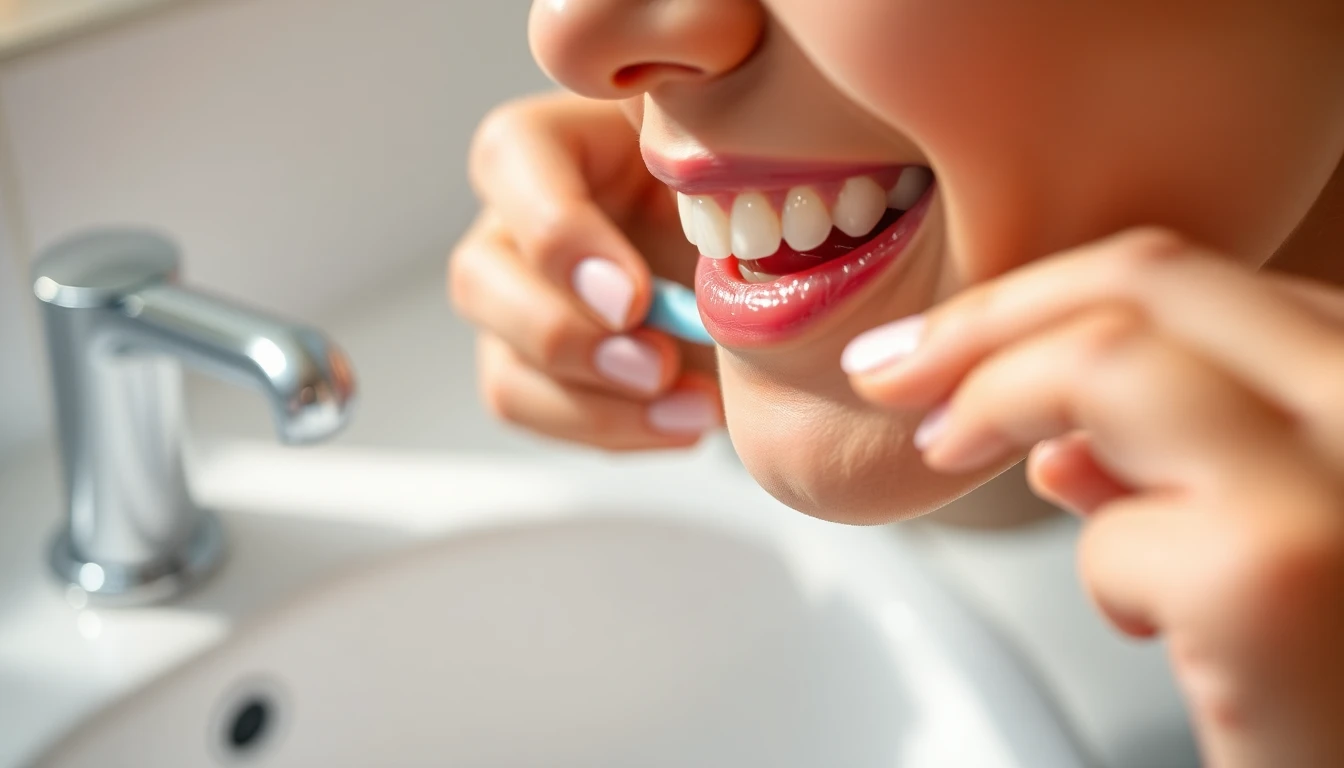
For mild, everyday tooth sensitivity, simple changes often help:
- Switch to a desensitizing toothpaste. Used daily, desensitizing toothpaste blocks the channels to the nerve and reduces sensitivity over a few weeks.
- Use a soft-bristled toothbrush and brush gently. Brushing too hard wears enamel and worsens the problem.
- Ease off acidic foods and drinks — citrus, soda, wine — or rinse with water afterward.
- Don't brush right after acidic foods; wait about 30 minutes so softened enamel can re-harden.
- Protect against teeth grinding. If you grind at night, ask about a night guard to shield your enamel.
Give these a few weeks. If your teeth are still sensitive, it's time for a professional look.
When to See a Dentist
Home care helps mild cases, but some sensitivity needs a dentist. Ask your dentist for help if sensitivity is severe, focused on one tooth, lingers after the trigger is gone, or comes with pain, swelling, or a visible problem — these can point to tooth decay, a cracked tooth, or an issue needing a root canal.
In the office, a dentist can find the real cause and offer targeted relief. In-office treatment options include fluoride varnish to strengthen enamel, bonding to cover an exposed root, treating underlying gum disease or decay, or a root canal if the nerve itself is involved. Pinpointing the cause is what lets us actually treat tooth sensitivity rather than just mask it.
Keeping Your Teeth Healthy and Sensitivity-Free
The same habits that prevent sensitivity protect your whole smile: gentle brushing with a soft-bristled toothbrush, daily flossing, limiting acidic foods, and regular cleanings to stop plaque buildup before it harms your gums. Strong enamel and healthy gums are the foundation of comfortable, healthy teeth — and consistent oral health care keeps both in good shape.
Sensitive teeth and healthy gums go hand in hand. When you care for your gums, you protect the teeth they support and reduce tooth sensitivity at its source. Brushing gently with a soft bristled toothbrush, flossing, and seeing your dentist regularly keeps the gums firm around your teeth, so the tooth roots stay covered and your teeth stay comfortable. If habits like brushing too hard or grinding leave teeth sensitive despite your best efforts, that's a sign to have your teeth and gums checked — persistent tooth sensitivity rarely fixes itself, and the right care stops dentin hypersensitivity before it disrupts everyday life. Caring for your gums and teeth together is the most reliable way to keep sensitive teeth from coming back.
Sensitive Teeth Care at Canyon Dental Associates
If sensitive teeth are making you dread cold drinks or your morning coffee, you don't have to live with it. Our team will find what's behind your sensitivity and recommend the gentlest effective treatment — from simple at-home steps to in-office care. Regular general and preventive dentistry and periodontal care are often all it takes to keep sensitivity away for good.
Canyon Dental Associates — 2097 Compton Ave #102, Corona, CA 92881 · (951) 273-0555 · serving Corona, Eastvale, Norco, Jurupa Valley, Temescal Valley, and Riverside County. Contact us and we'll help you find lasting relief.
Frequently Asked Questions
Why are my teeth suddenly sensitive?
Sudden tooth sensitivity often comes from worn enamel, gum recession exposing the tooth root, a cracked tooth or decay, recent dental work, or teeth grinding. If it's severe or focused on one tooth, see a dentist to rule out a problem needing treatment.
Does desensitizing toothpaste really work?
Yes, for many people. Used daily, desensitizing toothpaste gradually blocks the channels that carry sensations to the nerve, easing sensitivity over a few weeks. If it doesn't help, ask your dentist about in-office treatment.
Can sensitive teeth be a sign of something serious?
Sometimes. Lingering sensitivity can signal gum disease, tooth decay, a cracked tooth, or a nerve problem that may need a root canal. Persistent or worsening sensitivity is worth having a dentist evaluate.
How can I prevent sensitive teeth?
Brush gently with a soft-bristled toothbrush, limit acidic foods, avoid brushing right after acidic meals, address teeth grinding with a night guard, and keep regular cleanings to prevent gum recession and plaque buildup.