
Walk down the oral care aisle and you'll find twenty products promising a whiter smile. Most of them do something. Almost none of them do what people are actually hoping for, which is why so many patients arrive at a dental office having already spent money on strips, pens, charcoal powder, and an LED mouthpiece from an ad.
The difference between professional teeth whitening and what you can buy is not marketing. Professional whitening is a supervised dental procedure; a drugstore box is not. What separates them is concentration, control, and supervision. Here's what that means in practice, what results are realistic, and what it costs.
Why Teeth Stain and Discolor in the First Place
Stains come in two kinds, and which one you have determines whether teeth whitening will work at all. Knowing which stains you are dealing with is the first thing a dentist checks.
Extrinsic stains sit on the enamel surface. Coffee, tea, red wine, cola, tomato sauce, curry, tobacco. These surface stains respond very well to professional teeth whitening.
Intrinsic stains are inside the tooth. Aging thins the enamel and lets the naturally yellower dentin beneath show through. Certain antibiotics taken in childhood, trauma to a tooth, and excess fluoride during development all cause discoloration from within. These are more stubborn, and some respond only partially.
A few things whitening cannot lighten at all: crowns, veneers, bonding, and fillings. Restorations keep whatever shade they were made in. If you have visible dental work at the front of your mouth, whitening the natural teeth around it can leave a mismatch, which is a conversation worth having before you start rather than after.
Professional Whitening vs. Store-Bought Kits
Both use peroxide. The difference is how much, how the whitening treatment is applied, and who is watching. A dentist supervises the professional whitening procedure from start to finish.
| Over-the-counter | Professional whitening | |
|---|---|---|
| Peroxide strength | Low | Significantly higher, dentist-supervised |
| Fit | One-size strips or trays | Custom trays moulded to your teeth |
| Timeline | Weeks, modest change | One visit, or 1–2 weeks at home |
| Gum protection | None | Gums isolated and protected |
| Even results | Often patchy | Controlled and uniform |
| Supervision | None | Exam first, sensitivity managed |
The exam first is the part people undervalue. Whitening an undiagnosed cavity, an exposed root, or a cracked tooth is how patients end up in real pain. A whitening gel that reaches the inside of a tooth through decay is a genuinely bad afternoon. That's the main reason professional whitening is safer, and it has nothing to do with the gel itself.
Laser Teeth Whitening and In-Office Whitening: What the Procedure Involves
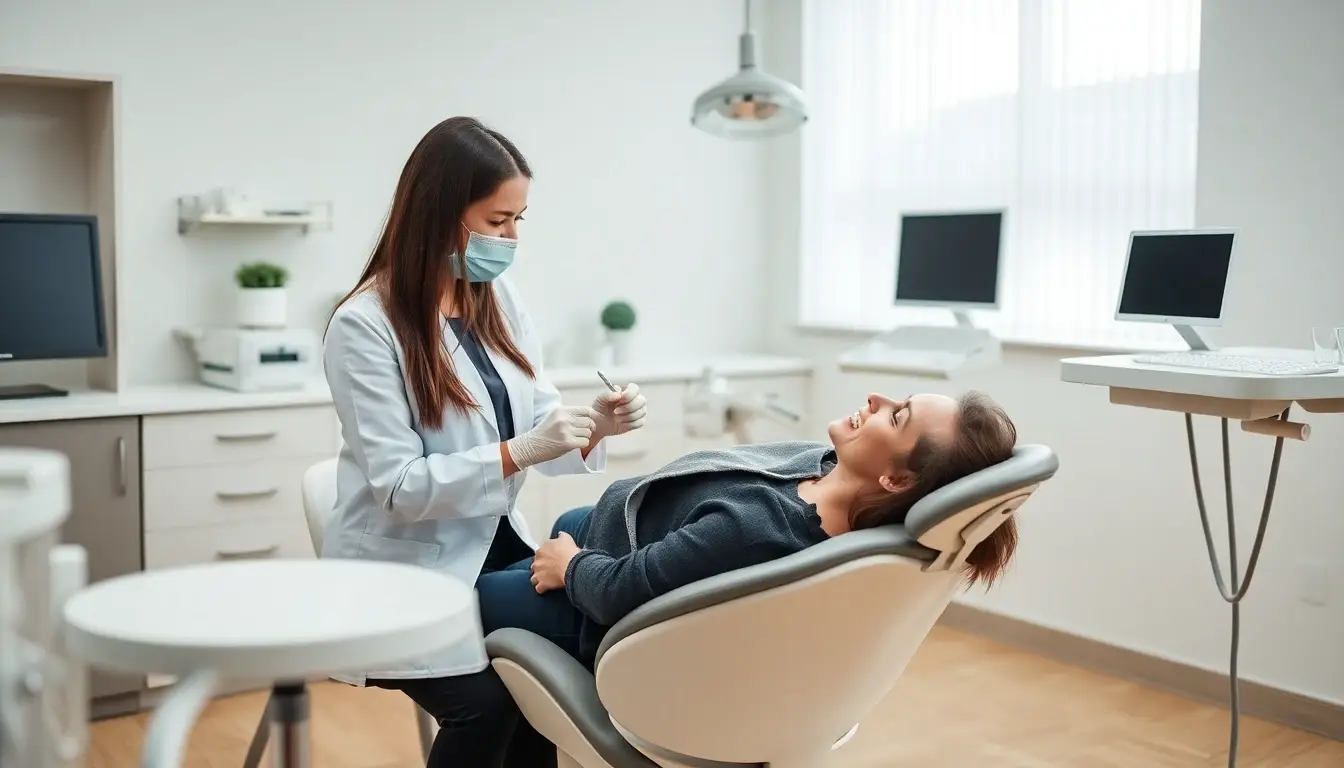
In-office whitening, often called chairside whitening or laser teeth whitening, is the fastest whitening treatment available. The laser or light activates the whitening gel so the procedure works in a single visit.
We start with an exam and usually a cleaning, because whitening plaque doesn't work. Your gums and lips are then isolated and protected with a barrier, since the gel is strong enough to irritate soft tissue. A professional-strength whitening gel goes on the teeth and is activated, often with a light. That sits for a period, gets removed, and is typically reapplied two or three times in the same visit.
The whole laser whitening procedure usually runs an hour to ninety minutes, and you leave with whitening results already visible. Our laser bleaching page covers how we do it here.
Take-home professional kits are the other option: custom trays made from impressions of your teeth, with dentist-prescribed gel you wear for a set period each day over one to two weeks. Slower, but the custom fit means the gel sits where it should instead of leaking onto your gums, and many patients prefer controlling the pace. Plenty of people do both, starting in the chair and maintaining at home.
What Results Are Realistic
Most patients see several shades of improvement, and whitening results are usually obvious in photographs before they are obvious in the mirror.
What we won't do is promise a specific shade. Results depend on what's causing your discoloration, how long it's been building, your enamel, and your habits afterward. Extrinsic staining from coffee and wine responds very well. Deep intrinsic discoloration may lighten only partially, and for those cases veneers or cosmetic bonding sometimes achieve what whitening can't. We'd rather tell you that at the consultation than take your money for a treatment that won't get you where you want to go.
Is Professional Teeth Whitening Safe for Sensitive Teeth?
Used correctly, yes. Peroxide-based whitening has been studied extensively and used in dentistry for decades.
The most common side effect is temporary sensitivity to cold, and patients who already have sensitive teeth should say so before the whitening treatment begins. That sensitivity typically fades within a day or two and can be managed with a desensitizing toothpaste before and after. Some patients get mild gum irritation if gel contacts the tissue, which is exactly what the barrier is for.
Whitening is not recommended while pregnant or breastfeeding, and it isn't appropriate for children whose teeth are still developing. It also won't help if the discoloration is coming from decay or a dying nerve, which is another reason the exam comes first. For younger patients specifically, we covered the considerations in teeth bleaching in adolescents.
The genuine risk is unsupervised overuse. Patients who whiten repeatedly, chasing a shade, can damage enamel and end up with lasting sensitivity. Enamel does not grow back.
How Long Professional Teeth Whitening Results Last
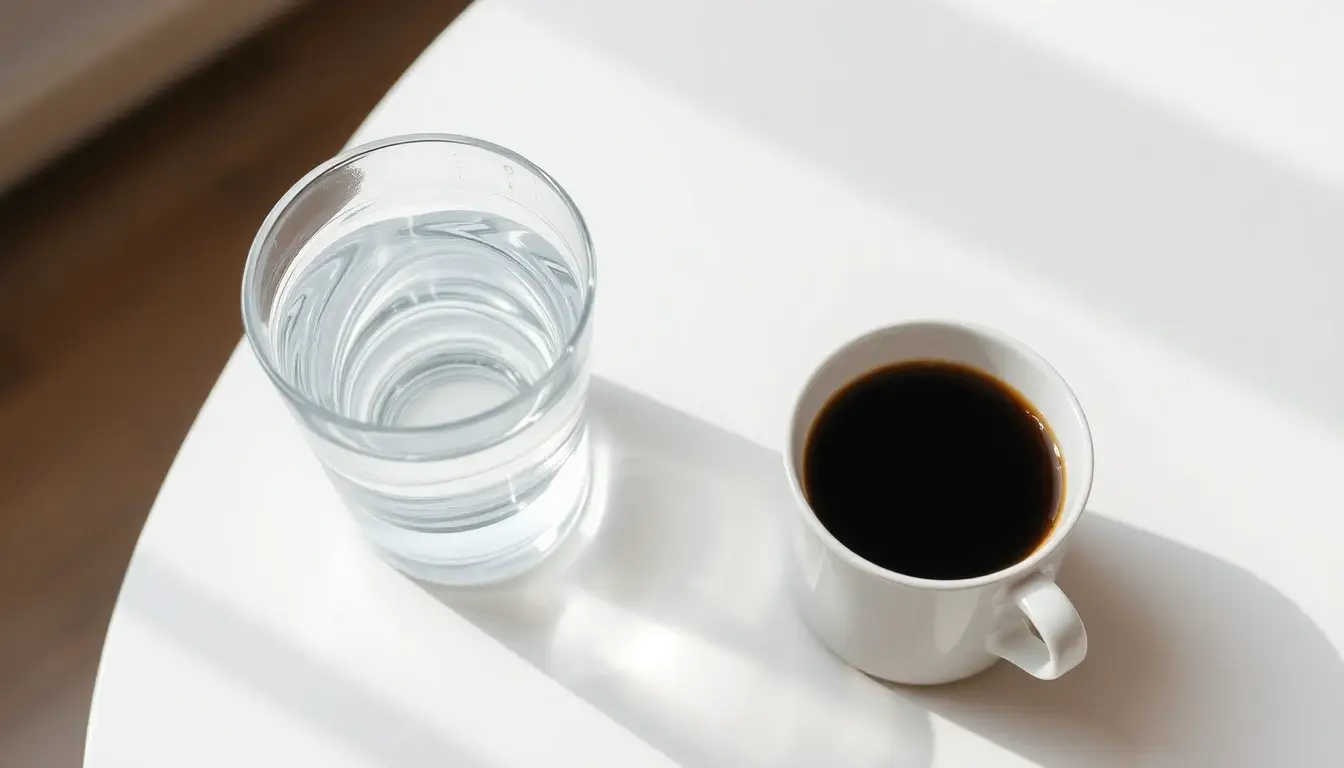
Typically somewhere between six months and two or three years, and the range is that wide because it's mostly down to you.
What shortens it: coffee, tea, red wine, cola, dark sauces, and smoking. What extends it: rinsing with water after staining drinks, using a straw for iced coffee and soda, keeping up twice-daily brushing and flossing, and regular professional cleanings.
Many patients keep custom trays and do a short top-up once or twice a year, which is far cheaper than starting over and keeps the result steady rather than letting it fade and then correcting it.
What Professional Teeth Whitening Costs
Cost varies with the method and how much whitening you need, so we'll give you a real figure at a consultation rather than a number on a page that turns out not to apply to you.
Broadly, in-office whitening costs more than a custom take-home kit, and both cost more than a drugstore box. What you're paying for beyond the gel is the exam, custom trays moulded to your teeth, gum protection, and someone managing sensitivity if it appears.
One thing to know upfront: dental insurance almost never covers teeth whitening. Plans pay for function, not appearance, and whitening is classified as purely cosmetic. That's true across essentially every PPO. What does still apply is in-network pricing on the rest of your care, and if you use an FSA or HSA it's worth knowing that whitening is generally not an eligible expense either, for the same cosmetic reason. Our guides to what a dental PPO covers and using FSA and HSA dollars explain the line between covered and cosmetic. Our payment options page covers how we handle it.
Whether Whitening Is the Right Treatment for You
Whitening is the least invasive cosmetic option there is, and for surface staining on healthy teeth it's usually the right first step. It's also not the answer to everything.
If your concern is chips, gaps, uneven edges, or teeth that are deeply discolored from the inside, whitening may disappoint you where cosmetic bonding or veneers would not. If your teeth are crowded or crooked, whitening won't change that, and Invisalign may matter more to how your smile looks. Our cosmetic dentistry page covers the full range.
A consultation sorts this out in fifteen minutes, and we'll tell you honestly if whitening isn't what you need.
Book a Whitening Consultation
Come in, let us look, and we'll tell you what's realistic for your teeth and what it will cost before you commit to anything. New patients can ask about our new patient special.
Canyon Dental Associates — 2097 Compton Ave #102, Corona, CA 92881 · (951) 273-0555 · serving Corona, Eastvale, Norco, Jurupa Valley, Temescal Valley, and Riverside County. Contact us to book a consultation.
Frequently Asked Questions
How much whiter will my teeth get?
Most patients see several shades of improvement, but the result depends on what is causing the discoloration. Surface staining from coffee, tea, and wine responds very well; deep internal discoloration may lighten only partially.
Does professional teeth whitening damage enamel?
Used correctly and under supervision, no. The risk comes from unsupervised overuse, repeatedly whitening in pursuit of a shade, which can wear enamel and cause lasting sensitivity.
How long does professional whitening last?
Usually six months to two or three years, depending largely on diet and habits. Coffee, tea, red wine, and smoking shorten it. Occasional top-ups with custom trays keep the result steady.
Will whitening work on crowns or veneers?
No. Restorations keep the shade they were made in. If you have visible dental work, whitening the natural teeth around it can create a mismatch, which is worth discussing before you start.
Does insurance cover teeth whitening?
Almost never. Dental plans pay for function rather than appearance, and whitening is classified as cosmetic. It's generally not an eligible FSA or HSA expense either.