
Key Takeaways
- Proper oral health education encompasses daily hygiene practices, understanding common dental problems, and knowing when to seek professional care
- Effective oral hygiene requires brushing twice daily with fluoride toothpaste, flossing once daily, and regular dental checkups every six months
- Early prevention through education helps avoid costly treatments for cavities, gum disease, and other oral health complications
- Age-appropriate oral health education ensures lifelong dental wellness from childhood through senior years
- Professional dental services at Canyon Dental Associates provide comprehensive preventive, restorative, and cosmetic care to support your oral health goals
Understanding proper oral health practices shouldn’t leave you searching for answers. Every day, families in Corona, California, and surrounding communities ask important questions about maintaining optimal dental health. From wondering about the best oral hygiene routine to understanding when children should first visit a dentist regularly, oral health education forms the foundation of lifelong wellness.
Good oral health affects far more than just your teeth and gums—it plays an important role in your overall health and well-being. Poor oral hygiene can contribute to serious health conditions, including heart disease, diabetes, and pregnancy complications. That’s why comprehensive oral health education is essential for every family member, from the appearance of your child’s first tooth through senior years.
Most Common Oral Health Education Questions
When it comes to oral health education FAQs, certain questions appear repeatedly in dental practices across Corona and beyond. Families want direct answers about daily oral hygiene routines, proper brushing and flossing techniques, and how often dental visits should occur. These fundamental questions deserve clear, evidence-based responses that help you make informed decisions about your family’s dental health. A variety of resources are available to support patients in understanding and improving their oral health.
The most frequently asked questions center around preventative care strategies. Parents wonder about fluoride toothpaste safety for children, while adults ask about the best methods to remove plaque buildup and prevent gum disease. Understanding these core oral health topics empowers you to take control of your dental wellness and avoid common oral health problems before they develop.
Professional dental care providers emphasize that patient education serves as the cornerstone of effective oral disease prevention. When you understand the “why” behind oral hygiene recommendations, you’re more likely to maintain consistent healthy habits that protect your teeth’s healthy status for life.
Understanding the Fundamentals of Oral Hygiene
Oral hygiene represents the daily practice of maintaining clean teeth, gums, and mouth to prevent oral disease and promote overall well-being. This systematic approach to dental health involves removing plaque—a film of bacteria that coats teeth and can cause cavities if left untreated. Understanding how plaque buildup leads to tooth decay and gum disease helps you appreciate why consistent oral care routines are essential. If left untreated, these dental problems can progress to more severe issues, including even tooth loss.
The connection between oral health and your body’s overall health continues to strengthen through ongoing research. Poor oral hygiene allows harmful bacteria to enter your bloodstream, potentially contributing to heart disease, stroke, and other severe health conditions. Pregnant women with gum disease face increased risks of pregnancy complications, highlighting how oral health affects multiple aspects of life.
Your mouth’s natural defense system includes saliva, which plays a crucial role in protecting tooth enamel and maintaining proper pH balance. However, certain health conditions can cause dry mouth, reducing saliva production and increasing your risk for cavities and oral infections. Understanding these interconnections helps you recognize warning signs early and seek appropriate professional care.
Daily brushing and flossing create the foundation for preventing dental emergencies and expensive treatments. When you consistently remove food particles and bacteria through proper oral hygiene, you’re investing in long-term dental health that saves both money and discomfort. This preventative approach aligns with modern dental practice that emphasizes education and early intervention.
Proper Brushing and Flossing Techniques
Effective Brushing Methods
The American Dental Association recommends brushing your teeth at least twice daily for two minutes each time using fluoride toothpaste and a soft-bristle toothbrush. It is important to brush your teeth regularly to remove plaque, prevent cavities, and promote overall health.
Proper technique matters significantly—place your toothbrush at a 45-degree angle against your gums and move it back and forth gently in short strokes, approximately as wide as each tooth.
Comprehensive teeth cleaning involves addressing all tooth surfaces systematically. Brush outer surfaces, inner surfaces, chewing surfaces, and inside surfaces of front teeth using gentle up-and-down motions. Don’t forget to brush your tongue, as this removes bacteria that can cause bad breath and contribute to overall mouth cleanliness.
Many patients underestimate how long two minutes actually takes, making timed brushing particularly valuable. Consider using an electric toothbrush with a built-in timer, or simply use your smartphone to ensure adequate brushing duration. Replace your toothbrush every 3-4 months or sooner if bristles become frayed, as worn bristles lose their effectiveness in removing plaque.
Special considerations apply when brushing around dental work, braces, or sensitive areas. Use gentle pressure and take extra time around restorations and orthodontic appliances. If you experience persistent tooth pain or bleeding gums during brushing, schedule an appointment with Canyon Dental Associates for evaluation and personalized guidance.
Flossing Best Practices
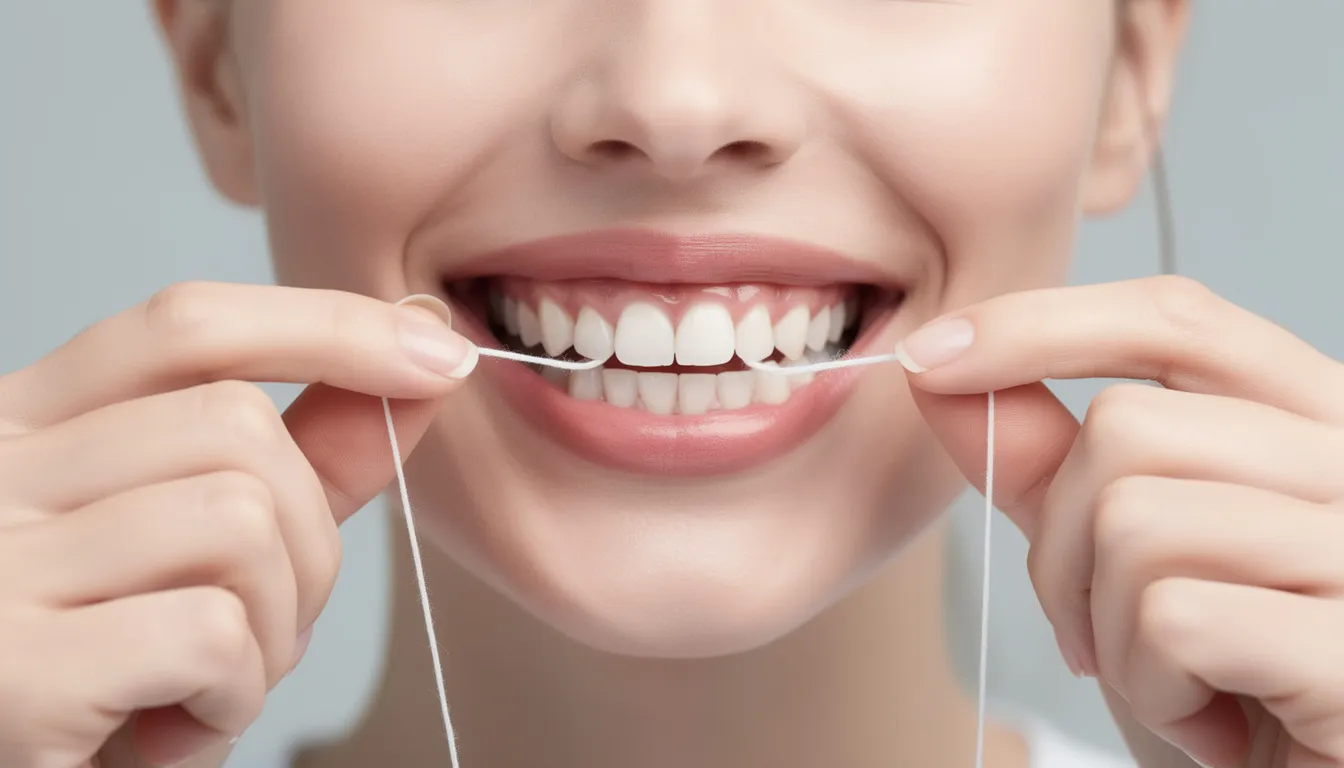
Traditional dental floss removes plaque and food particles from between teeth and along the gum line—areas that brushing simply cannot reach effectively. Floss at least once daily, ideally before brushing, to dislodge debris and allow fluoride from your toothpaste to reach interproximal surfaces more effectively.
Guide dental floss between teeth using gentle up-and-down motions toward the gums. When the floss reaches the gum line, curve it against one tooth and gently move the string back up and down against the tooth surface. This technique prevents gum damage while ensuring thorough cleaning of each tooth’s surface.
Alternative interdental cleaning tools include water flossers and dental picks, which can be particularly helpful for individuals with dexterity challenges, braces, or bridgework. Water flossers use pressurized water to remove debris and massage gums, while dental picks help navigate around complex dental work. However, these tools supplement rather than replace traditional dental floss for most patients.
If you have physical limitations that make traditional flossing difficult, consult with dental professionals about adaptive techniques or alternative cleaning methods. Canyon Dental Associates can provide personalized recommendations based on your specific needs and oral health status.
Preventing Common Oral Health Problems
Cavity Prevention
Tooth decay develops when bacteria in your mouth produce acid that attacks tooth enamel, creating holes or cavities in teeth. Understanding this process helps you recognize how dietary choices and oral hygiene practices directly influence your risk for developing cavities. Frequent consumption of sugary or acidic foods and beverages creates an environment where harmful bacteria thrive.
Fluoride plays a crucial role in strengthening tooth enamel and preventing decay. Drink fluoridated water when available, and use fluoride toothpaste as part of your daily oral hygiene routine. Professional fluoride varnish applications at Canyon Dental Associates provide additional protection, particularly for children and adults at higher risk for tooth decay.
Early warning signs of cavities include tooth sensitivity, visible white or dark spots on teeth, and mild tooth pain when consuming sweet, hot, or cold foods. Addressing these warning signs promptly prevents cavities from progressing to more serious stages that require extensive treatment. Regular dental examinations allow for early detection and intervention.
Preventive treatments available at Canyon Dental Associates include dental sealants for molars and professional fluoride applications. These services provide additional protection beyond daily home care, particularly benefiting children whose permanent teeth are still developing and adults with higher cavity risk factors.
Gum Disease Prevention
Gum disease begins as gingivitis, characterized by inflammation, bleeding gums, and swelling along the gum line. Without intervention, gingivitis can progress to periodontitis, a more serious condition that can lead to tooth loss and affect overall health. Understanding this progression emphasizes the importance of maintaining gum health through consistent oral care.
Warning signs of gum disease include bleeding during brushing or flossing, persistent bad breath, swollen or tender gums, and loose teeth in advanced stages. Risk factors such as smoking, diabetes, certain medications, and poor oral hygiene increase your likelihood of developing gum disease. Recognizing these factors allows for early intervention and prevention strategies.
Professional treatments for gum disease range from deep cleanings and scaling to more advanced periodontal therapy, depending on the severity of the condition. Canyon Dental Associates provides comprehensive gum disease treatment with a focus on patient comfort and long-term oral health maintenance.
Preventing gum disease recurrence requires ongoing commitment to excellent oral hygiene combined with regular professional care. This includes daily brushing and flossing, routine check-ups every six months, and following any specific recommendations from your dental care team based on your individual risk factors.
Age-Specific Oral Health Education
Children’s Oral Health
Starting oral care before your baby’s first tooth appears sets the foundation for lifelong dental health. Clean your infant’s gums with a soft, damp cloth after feeding to remove bacteria and establish healthy oral care routines from birth. This early attention helps prevent oral health problems and creates positive associations with mouth cleaning.
Once your child’s first tooth emerges, begin brushing with a soft-bristle toothbrush and fluoride toothpaste appropriate for their age. Children require supervision and assistance with brushing until they develop adequate motor skills, typically around age 6-8. Teaching proper technique early creates habits that support healthy teeth throughout life.
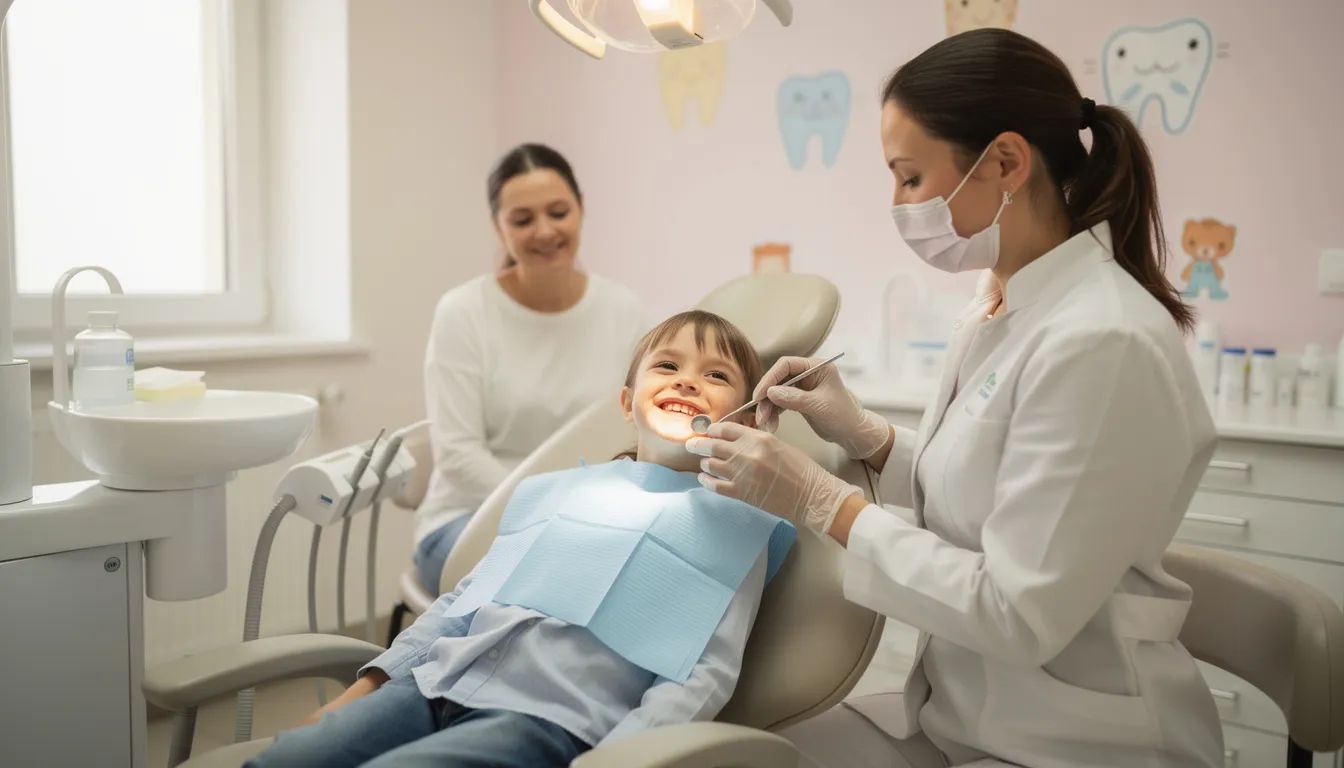
The American Dental Association and Canyon Dental Associates recommend scheduling your child’s first dental visit by their first birthday or within six months of their first tooth appearing. Early visits allow for preventive education, fluoride applications when appropriate, and establishment of positive dental experiences in a gentle, family-friendly environment.
Preventing early childhood caries requires attention to feeding practices and snacking habits. Avoid putting babies to bed with bottles containing anything other than water, and limit sugary snacks throughout the day. Instead, encourage healthy snacks like fruits, vegetables, and dairy products that support oral health development.
Adult and Senior Oral Health
Adult oral health education must address age-related changes, including dry mouth from medications, increased risk for gum disease, and the need to maintain existing dental work. Many health conditions common in adults, such as diabetes and heart disease, create bidirectional relationships with oral health that require ongoing attention and professional monitoring.
Seniors face unique challenges, including decreased manual dexterity that may affect oral hygiene, medication-induced dry mouth, and increased risk for oral cancer. Adapting oral care routines to accommodate physical limitations while maintaining effectiveness requires professional guidance and sometimes adaptive tools or techniques.
Regular oral cancer screenings become increasingly important with age, as risk factors accumulate over time. Canyon Dental Associates includes comprehensive oral cancer screening in routine examinations, checking for suspicious lesions or changes in oral tissues that may require further evaluation.
Maintaining dental work, including fillings, crowns, bridges, and implants, requires specific care techniques and regular professional monitoring. Your dental care team can provide detailed instructions for caring for your specific restorations while maintaining the health of surrounding natural teeth and gums.
The Role of Professional Dental Care
Bi-annual dental checkups serve as the cornerstone of preventive oral health care, allowing for early detection of problems before they become serious and expensive to treat. During these routine check-ups, dental professionals perform comprehensive examinations, professional teeth cleaning that removes tartar and plaque buildup beyond what home care can achieve, and educational reinforcement tailored to your specific needs.
Professional cleaning services reach areas that daily brushing and flossing cannot access completely, particularly below the gum line, where tartar accumulates. Dental hygienists use specialized instruments to remove this buildup while being gentle on your teeth and gums. This professional intervention prevents gum disease progression and maintains oral health between visits.
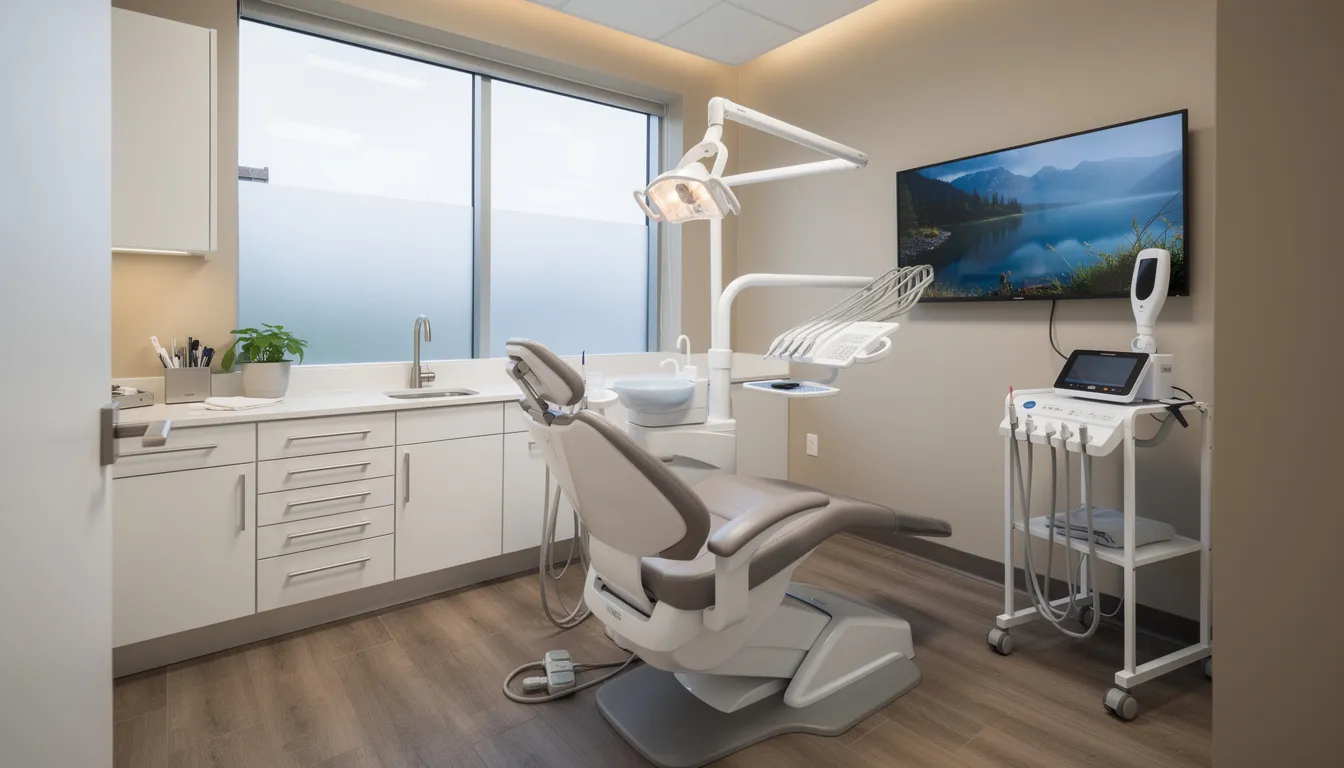
Comprehensive oral examinations include visual inspection, palpation of oral tissues, X-rays when indicated, and oral cancer screenings. These thorough evaluations detect problems in early stages when treatment is simpler, more comfortable, and more affordable. Canyon Dental Associates uses modern diagnostic technology to provide accurate assessments of your oral health status.
Preventive treatments such as fluoride applications, dental sealants, and protective mouthguards for sports provide additional protection beyond daily home care. These services are particularly valuable for children, athletes, and adults at higher risk for dental problems. Emergency dental services are also available for urgent oral health needs that require immediate attention.
Canyon Dental Associates offers comprehensive restorative and cosmetic services to address existing problems and enhance the smile’s appearance. From treating cavities and gum disease to providing cosmetic improvements, professional dental care addresses the full spectrum of oral health needs in a comfortable, patient-focused environment.
Creating Lasting Oral Health Habits
Developing consistent daily routines that become automatic behaviors requires strategic planning and gradual implementation. Start by incorporating small changes that build into comprehensive oral health habits over time. Set reminders on your phone for brushing and flossing times until these behaviors become natural parts of your daily routine.
Creating family oral health goals helps establish positive peer pressure and shared accountability. Consider tracking family brushing and flossing consistency, celebrating milestones like cavity-free checkups, and making oral health education a regular topic of family discussion. Children learn best when parents model excellent oral hygiene behaviors consistently.
Understanding the long-term benefits of preventative care versus reactive treatments provides motivation for maintaining consistent oral health habits. Preventing problems costs significantly less than treating advanced dental disease, while also avoiding discomfort and more complex procedures. This economic and comfort perspective reinforces the value of daily oral care investment.
Building partnerships with dental professionals creates ongoing support systems for maintaining oral health education and motivation. Regular appointments at Canyon Dental Associates provide opportunities for reinforcement, technique refinement, and personalized recommendations based on your changing oral health needs throughout different life stages.
Successful oral health habit formation requires patience, consistency, and professional guidance. Canyon Dental Associates supports families throughout Corona, California, in developing and maintaining excellent oral health practices that protect beautiful smiles and support overall well-being for life.
Frequently Asked Questions
How often should I replace my toothbrush?
Replace toothbrushes every 3-4 months or sooner if bristles become frayed or worn. The effectiveness of plaque removal decreases significantly once bristles lose their shape and firmness. Replace your toothbrush immediately after recovering from any illness to prevent reinfection. Electric toothbrush heads follow the same replacement schedule as manual toothbrushes. Canyon Dental Associates can provide specific recommendations based on your brushing habits and oral health needs.
Is mouthwash necessary for good oral hygiene?
Mouthwash can be a helpful addition to your oral hygiene routine, but should never replace daily brushing and flossing. Therapeutic mouthwashes containing fluoride provide additional cavity protection, while antimicrobial rinses help control harmful bacteria and freshen breath. However, the mechanical action of brushing and flossing remains essential for removing plaque and food particles. Consult with Canyon Dental Associates for personalized mouthwash recommendations based on your specific oral health concerns.
What should I do if I experience persistent bad breath?
Persistent halitosis may indicate underlying dental problems such as gum disease, tooth decay, or medical conditions requiring professional evaluation. First, improve your oral hygiene routine by including thorough tongue cleaning and ensuring you’re flossing daily to remove trapped food particles. If bad breath continues despite excellent oral hygiene, schedule a comprehensive examination at Canyon Dental Associates to identify and treat potential causes, which may include professional cleanings, gum disease treatment, or addressing dry mouth conditions.
When should my child first visit the dentist?
Your child’s first dental visit should occur by their first birthday or within six months of their first tooth appearing, whichever comes first. Early visits establish positive dental experiences, allow for preventive education, and enable early detection of potential problems. Canyon Dental Associates provides gentle, child-friendly care designed to make visits comfortable and educational for both children and parents. Regular checkups every six months help monitor dental development and prevent problems through age-appropriate preventive treatments.
How can I manage dental anxiety during appointments?
Managing dental anxiety starts with open communication with your dental team before treatment begins. Inform Canyon Dental Associates about your concerns so they can adjust their approach and provide additional reassurance. Practice relaxation techniques such as deep breathing, meditation, or visualization before and during appointments. The team at Canyon Dental Associates prioritizes patient comfort and offers various anxiety management strategies, including detailed explanations of procedures, gentle techniques, and creating a calm, supportive environment for all patients.
At Canyon Dental Associates in Corona, California, we’re committed to providing comprehensive oral health education and exceptional dental care for your entire family. Our experienced team offers preventive, restorative, cosmetic, and emergency services in a comfortable, patient-focused environment. Contact us today to schedule your appointment and take the first step toward optimal oral health and a beautiful smile that lasts a lifetime.