
Modern dental care has evolved far beyond simple tooth extractions and basic cleanings. Today’s dental services encompass a comprehensive range of treatments designed to prevent, diagnose, and treat oral health conditions while enhancing your smile’s appearance and function. Understanding the full spectrum of available dental services empowers you to make informed decisions about your oral health and helps you maintain healthy teeth and gums throughout your lifetime.
Whether you’re dealing with tooth decay, missing teeth, or want to maintain optimal oral health, understanding the available dental services can help you work with your dental professional to create a personalized treatment plan. From routine preventive care to advanced restorative procedures, modern dentistry offers solutions for virtually every oral health challenge.
Introduction to Dental Care
Dental care is a vital part of maintaining not just a beautiful smile, but your overall health and well-being. Regular dental procedures, such as teeth cleanings and oral examinations, are essential for preventing tooth decay, gum disease, and a host of other oral health issues that can impact your quality of life. By keeping up with routine dental care, you can maintain healthy teeth and gums, catch dental problems early, and avoid more complex treatments down the road.
A comprehensive approach to dental care encompasses preventive measures, including professional teeth cleanings and dental fillings, as well as more advanced treatments such as root canal therapy and dental implants. These dental procedures are designed to protect your natural teeth, restore function, and enhance your smile. Prioritizing oral health not only helps you maintain healthy teeth and gums but also supports your overall health, as many systemic conditions are linked to oral health.
Whether you are seeking to prevent dental problems or address existing issues, working with a dental professional ensures you receive the right treatments for your needs. By incorporating dental care into your regular health routine, you can enjoy the benefits of a healthy mouth and a confident, beautiful smile for years to come.
Understanding Dental Services: What You Need to Know
Dental services encompass preventive, restorative, cosmetic, and emergency treatments designed to maintain optimal oral health. These comprehensive services work together to address every aspect of oral health care, from preventing tooth decay and gum disease to replacing missing teeth and enhancing smile aesthetics.
Regular dental care prevents serious oral health problems and saves money on extensive treatments later. When dental issues are caught early through preventive services, they can often be treated with simple, cost-effective procedures. However, when oral health issues are neglected, they may progress to require more complex and expensive dental treatments.
Modern dental services use advanced technology and techniques to ensure patient comfort and effective results. Today’s dental procedures are more comfortable, efficient, and precise than ever before, thanks to innovations in dental technology, anesthesia, and treatment techniques.
Many dentists consider dental implants the preferred solution for tooth replacement due to their stability and long-term success.
Each dental service addresses specific oral health needs, from routine cleanings to complex restorative procedures. Understanding these different categories helps patients make informed decisions about their dental care and work with their dentist to prioritize treatments based on their individual needs and circumstances.
Preventive Dental Services for Tooth Decay
Preventive care forms the foundation of good oral health by focusing on maintaining healthy teeth and gums and catching problems before they become serious. These services are designed to prevent tooth decay, gum disease, and other oral health issues that can lead to pain, infection, and tooth loss.
Regular dental exams and cleanings should occur every six months to detect problems early and remove plaque buildup that can lead to tooth decay and periodontal disease. During these visits, your dental professional performs comprehensive oral examinations to check for cavities, gum disease, oral cancer, and other conditions. Professional teeth cleanings remove bacterial growth and mineral deposits that cannot be eliminated through regular brushing and flossing alone.
Professional fluoride treatments strengthen tooth enamel and help prevent cavities by remineralizing areas where acid from bacteria has begun to weaken the natural tooth structure. These treatments are particularly beneficial for children and adults at high risk for tooth decay.
Dental sealants protect back teeth from decay by creating a protective barrier on the chewing surfaces where food particles and bacteria often accumulate. These thin plastic coatings are especially effective for children’s permanent teeth but can benefit adults as well.
Oral cancer screenings during routine visits help detect early signs of oral cancer when treatment is most effective. Your dentist examines the soft tissues of your mouth, throat, and neck, checking for unusual lumps, sores, or discoloration.
Custom mouthguards provide sports protection for active individuals, while nightguards protect teeth from damage caused by grinding or clenching during sleep. These custom-fitted appliances help prevent chipped teeth, cracked teeth, broken teeth, and excessive wear on natural teeth.
Restorative Dental Services
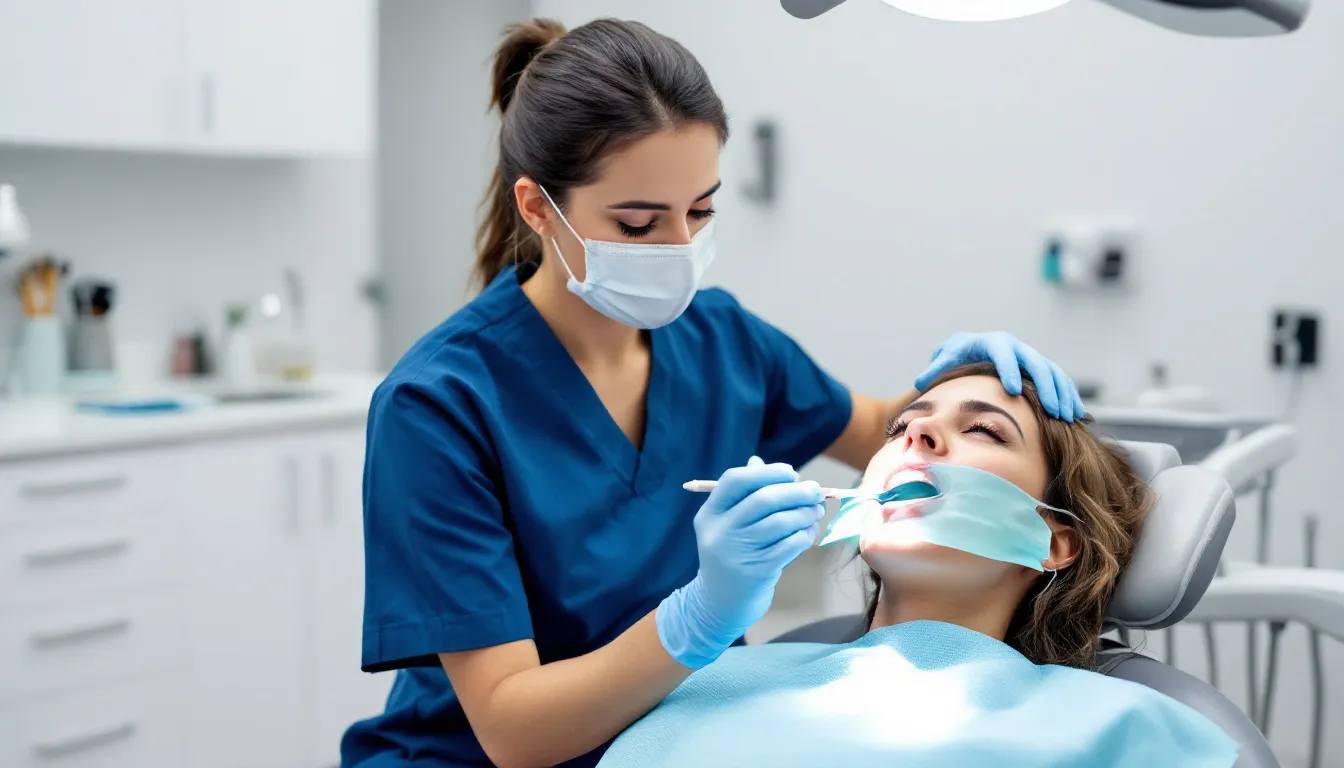
Restorative services repair damaged or missing teeth, restoring both function and appearance to help patients maintain their natural teeth whenever possible. Dental restoration refers to procedures that repair or replace damaged or missing teeth, restoring function and aesthetics. These dental procedures address problems caused by decay, trauma, wear, or periodontal disease.
Dental fillings using tooth-colored composite materials treat cavities and restore tooth function while maintaining a natural appearance. Modern composite resins bond directly to the tooth structure, providing excellent durability and aesthetics compared to traditional metal fillings.
Dental crowns cover and protect severely damaged or weakened teeth that cannot be adequately restored with a simple filling. A dental crown completely caps the visible portion of the tooth, providing strength and protection while restoring normal function. Crowns are often recommended after root canal treatment or for teeth with large cavities or fractures.
Dental bridges replace one or more missing teeth by anchoring to surrounding healthy teeth or dental implants. The success of bridges depends on the health of your existing teeth, which provide support for the restoration. This restorative option helps maintain proper bite alignment and prevents adjacent teeth from shifting into the space.
Root canal therapy saves infected teeth by removing diseased tissue from inside the tooth and sealing the root canals to prevent reinfection. Contrary to popular misconceptions, modern root canal treatment is comfortable and highly successful, allowing patients to keep their natural teeth rather than requiring tooth extraction.
Dental implants serve as permanent solutions for missing teeth, consisting of titanium posts surgically placed in the jawbone and topped with natural-looking crowns. Implants provide the most stable and long-lasting option to replace missing teeth while preserving surrounding bone and supporting facial structure.
A denture is a removable appliance designed to replace one or more missing teeth. Complete and partial dentures help patients who are missing multiple or all teeth restore their ability to eat, speak, and smile confidently. Complete dentures are used when all natural teeth in an arch are missing, replacing the entire dental arch. Modern dentures are more comfortable and natural-looking than ever, with options including implant-supported dentures for improved stability and function.
Cosmetic Dental Services
Cosmetic dentistry enhances smile appearance and boosts confidence through treatments that improve the color, shape, size, and alignment of teeth. While these procedures focus primarily on aesthetics, many also provide functional benefits that contribute to overall oral health.
Dental bonding repairs chips, cracks, and gaps using tooth-colored composite resin materials that are sculpted and shaped directly on the teeth. This conservative treatment can often be completed in a single visit and provides an affordable way to improve smile appearance.
Porcelain veneers cover discolored, misshapen, or slightly crooked front teeth with ultra-thin shells of porcelain that are bonded to the tooth surface. Veneers can create dramatic smile transformations and typically last ten years or more with proper care.
Professional teeth whitening offers safe and effective ways to brighten smiles through in-office treatments and custom take-home trays. Professional whitening systems achieve better results than over-the-counter products and include custom-fitted trays for comfortable, even whitening.
Invisalign clear aligners straighten teeth discreetly without traditional metal braces, using a series of custom-made, removable aligners to gradually move teeth into the proper position. This orthodontic treatment is popular among adults and teens who want to improve their smile without the appearance of metal braces.
Smile makeovers combine multiple cosmetic treatments for dramatic smile transformations, potentially including veneers, whitening, bonding, and orthodontic treatment to address multiple aesthetic concerns simultaneously.

Surgical Dental Services
Surgical dental services play a crucial role in addressing complex dental problems that cannot be resolved with routine treatments alone. These procedures are often necessary when tooth decay, gum disease, or dental injuries have progressed to a point where more advanced intervention is required to restore oral health and function.
Common surgical dental procedures include tooth extractions, gum surgery, bone grafting, and the placement of dental implants. Tooth removal may be needed for severely decayed teeth, impacted wisdom teeth, or teeth that cannot be saved through restorative treatments. Gum surgery is often performed to treat advanced periodontal disease, helping to restore the health of the gums and supporting bone. Bone grafting procedures are sometimes necessary to rebuild bone structure before placing dental implants, ensuring a stable foundation for artificial teeth.
Surgical dental services are performed by experienced dental professionals who use advanced techniques and technology to ensure patient comfort and successful outcomes. These procedures are carefully planned to minimize discomfort, support the healing process, and help patients return to optimal oral health as quickly as possible.
Root Canal and Extraction
Root canal therapy and tooth extraction are two of the most common surgical dental procedures used to address severe dental problems and preserve oral health.
Root canal therapy is recommended when the inner pulp of a tooth becomes infected or inflamed due to deep decay, repeated dental procedures, or dental injuries. During a root canal, the dental professional removes the infected tissue, cleans and disinfects the root canals, and seals the tooth to prevent further infection. This procedure relieves intense pain, saves the natural tooth, and helps maintain the function and appearance of your smile. Modern root canal treatments are highly effective and typically involve minimal discomfort, allowing for a smooth healing process.
Tooth extraction is necessary when a tooth is too damaged to be restored, such as in cases of severe decay, advanced gum disease, or impacted wisdom teeth. The extraction process involves carefully removing the affected tooth to prevent the spread of infection and protect the health of surrounding teeth and gums. After tooth removal, your dental professional will discuss options to replace missing teeth, such as dental implants, bridges, or dentures, to restore your smile and maintain proper bite alignment.
Both root canal therapy and tooth extractions are performed with patient comfort in mind, using local anesthesia and advanced techniques to ensure a positive experience. Following these procedures, your dentist will provide detailed instructions to support the healing process and help you return to normal activities as quickly as possible.
Emergency Dental Services
Dental emergencies require prompt attention to prevent further damage, relieve pain, and preserve oral health. Understanding when to seek emergency dental care and having access to immediate treatment can make the difference between saving and losing a natural tooth.
Tooth extractions become necessary for severely damaged, infected, or impacted teeth that cannot be saved through other dental treatments. This includes wisdom tooth removal when these back teeth don’t have adequate space to emerge properly or maintain good oral hygiene.
Emergency pain relief and infection treatment address dental abscesses and severe toothaches that can indicate serious underlying problems. Prompt treatment prevents the spread of infection and provides relief from intense pain that can interfere with daily activities.
Repair of broken or knocked-out teeth requires immediate stabilization and restoration to preserve the affected teeth whenever possible. Quick action and proper handling of dental trauma can often save teeth that might otherwise be lost.
Treatment of dental trauma from accidents or sports injuries may involve multiple dental procedures to address damaged teeth, soft tissues, and supporting structures. Comprehensive trauma care helps restore both function and appearance following dental injuries.
Same-day appointments for urgent dental problems ensure that patients receive immediate attention when facing dental emergencies that cannot wait for regular appointment scheduling.
When to Seek Emergency Dental Care
Certain symptoms require immediate dental attention to prevent complications and preserve oral health. Severe pain that interferes with sleep or daily activities, facial swelling that may indicate spreading infection, uncontrolled bleeding from the mouth, and dental trauma from accidents all warrant emergency dental care.
If you experience a knocked-out tooth, handle it carefully by the crown (not the root), rinse gently if dirty, and try to reinsert it in the socket or store it in milk while seeking immediate dental care. For severe toothaches, rinse with warm water and use over-the-counter pain medication as directed while arranging emergency dental treatment.
Managing pain and preventing further damage while waiting for treatment may involve applying cold compresses to reduce swelling, taking appropriate pain medication, and avoiding extremely hot or cold foods that may worsen sensitivity.
Advanced Dental Technologies and Techniques
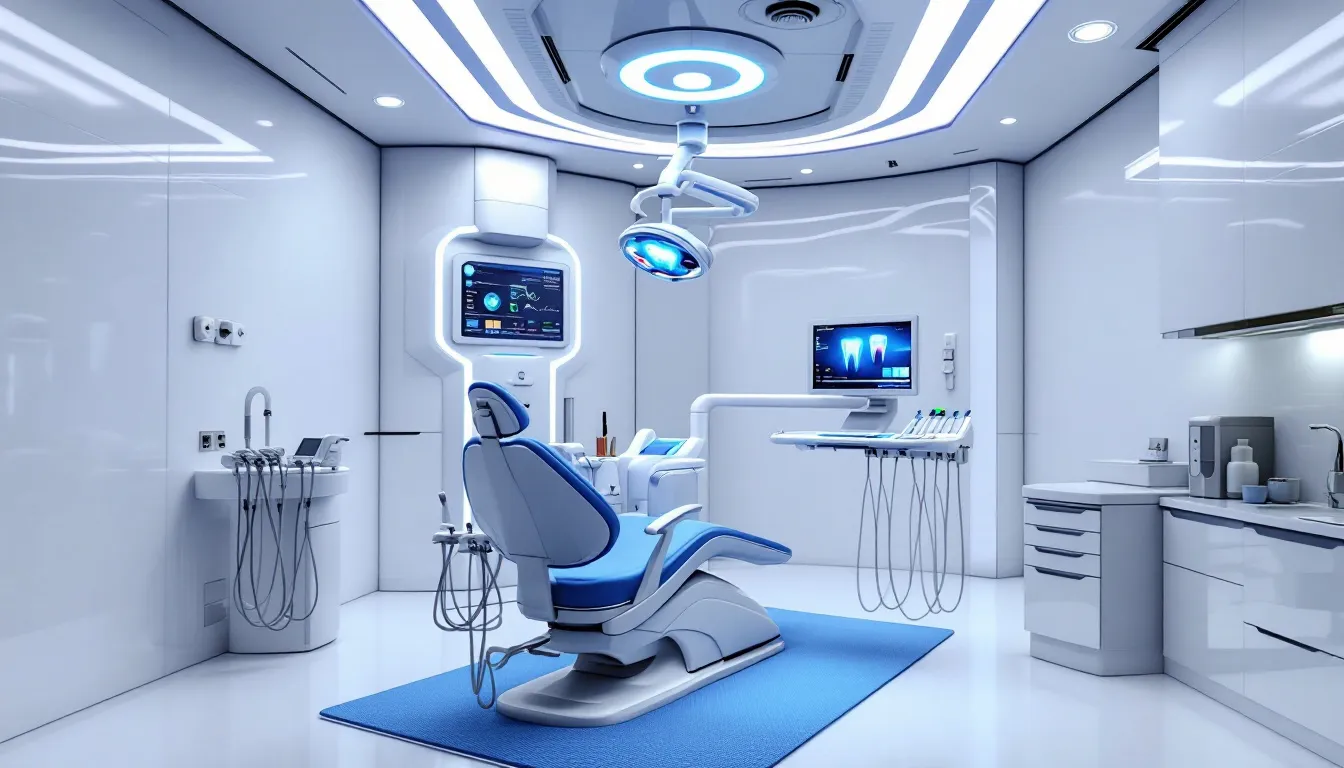
Modern dental innovations improve treatment outcomes and patient comfort through precise diagnosis, minimally invasive procedures, and enhanced patient experiences. These technological advances allow dental professionals to provide more effective, efficient, and comfortable dental care.
Digital X-rays and 3D imaging provide precise diagnosis and treatment planning with reduced radiation exposure compared to traditional film X-rays. These advanced imaging systems allow dentists to detect problems earlier and plan treatments with greater precision.
Laser dentistry enables minimally invasive gum treatment and cavity preparation with less discomfort and faster healing than traditional methods. Dental lasers can treat gum disease, remove infected tissue, and perform various procedures with minimal bleeding and swelling.
Sedation dentistry options help anxious patients receive comfortable dental care through nitrous oxide (laughing gas), oral sedation, or IV sedation. These options allow patients to relax during dental procedures and can make extensive treatment more manageable.
Computer-aided design and manufacturing (CAD/CAM) technology creates same-day crowns and restorations, eliminating the need for temporary restorations and multiple appointments. This technology allows dentists to design, mill, and place dental crowns in a single visit.
Specialized Dental Care
Specialized dental care addresses unique oral health needs that go beyond general dentistry. Dental professionals with advanced training in specific areas provide targeted treatments to ensure the best possible outcomes for patients with complex or specialized requirements.
Pediatric dentistry focuses on the oral health of children, providing preventive care, early detection of dental problems, and education to help young patients develop healthy habits for life. Pediatric dentists are skilled in making dental visits comfortable and positive for children.
Periodontics specializes in the prevention, diagnosis, and treatment of gum disease and conditions affecting the supporting structures of the teeth. Periodontists offer advanced treatments for periodontal disease, gum grafts, and procedures to restore gum and bone health.
Orthodontics addresses issues related to crooked teeth, bite alignment, and jaw development. Orthodontic treatment, such as braces or clear aligners, helps straighten teeth, improve oral function, and enhance the appearance of your smile.
Prosthodontics focuses on the restoration and replacement of missing teeth with dental crowns, bridges, dentures, and dental implants. Prosthodontists are experts in creating natural-looking, functional dental restorations that help patients regain confidence and oral health.
By seeking specialized dental care when needed, patients can benefit from the expertise of dental professionals who are equipped to handle complex cases and deliver personalized treatment plans tailored to individual needs.
Choosing the Right Dental Services for Your Needs
Selecting appropriate dental treatments requires considering multiple factors including your current oral health status, budget constraints, and treatment timeline preferences. Working with your dental professional to develop a comprehensive treatment plan ensures that your dental needs are addressed in the most effective sequence.
Comprehensive dental examinations provide the foundation for developing personalized treatment plans by thoroughly assessing your oral health, identifying existing problems, and evaluating risk factors for future issues. These thorough evaluations include X-rays, oral cancer screening, and detailed examination of teeth and gums. In some cases, such as for patients undergoing head and neck radiation therapy, dental extraction may be recommended as a preventive measure to reduce the risk of complications like osteoradionecrosis.
Prioritizing multiple dental needs often involves addressing urgent problems first, such as infections or severe pain, followed by preventive services to maintain healthy teeth, and finally elective cosmetic treatments to enhance smile appearance.
Important questions to ask your dentist about recommended treatments include the urgency of each procedure, alternative treatment options, expected outcomes, and long-term maintenance requirements. Understanding these factors helps you make informed decisions about your dental care.
Dental insurance coverage varies significantly for different types of dental services, with preventive services typically covered at 100%, basic restorative treatments at 70-80%, and major procedures at 50% or less. Understanding your insurance benefits helps you plan treatment timing and budget accordingly.
Dental Treatment and Recovery
Undergoing dental treatment is an important step toward achieving and maintaining healthy teeth and gums. Understanding what to expect during and after dental procedures can help you feel more comfortable and prepared for your dental care journey.
During dental treatments, your dental professional will use advanced techniques and anesthesia to ensure your comfort and minimize discomfort. Whether you are receiving a dental filling, root canal therapy, dental crown, or tooth extraction, your dentist will explain each step of the procedure and answer any questions you may have.
After your dental procedure, following your dentist’s post-treatment instructions is essential for a smooth recovery and optimal results. This may include taking prescribed medications, using special mouth rinses, avoiding certain foods, and practicing gentle oral hygiene around the treated area. Managing discomfort with over-the-counter pain relievers and applying cold compresses can help reduce swelling and promote healing.
The recovery time varies depending on the type of dental treatment performed. Most patients can return to normal activities within a day or two after minor procedures, while more extensive treatments like dental implants or surgical extractions may require a longer healing process. Attending follow-up appointments allows your dental professional to monitor your progress and ensure that your teeth and gums are healing properly.
By taking an active role in your recovery and maintaining excellent oral hygiene, you can support the healing process, prevent complications, and enjoy the long-term benefits of your dental treatment.
Maintaining Your Oral Health Between Dental Visits
Effective daily oral hygiene routines form the foundation of good oral health and help maximize the benefits of professional dental services. Proper home care prevents the accumulation of plaque and bacteria that lead to tooth decay and gum disease.
Daily oral hygiene should include brushing twice daily with fluoride toothpaste, flossing to remove plaque from between teeth, and using mouth rinses as recommended by your dental professional. Proper brushing technique involves gentle circular motions along the gum line and on all tooth surfaces.
Dietary recommendations to support healthy teeth include limiting sugary and acidic foods and beverages that contribute to tooth decay, choosing teeth-healthy snacks like fruits and vegetables, and drinking plenty of water throughout the day to help rinse away food particles and bacteria.
Warning signs that indicate the need for prompt dental attention include persistent tooth pain, bleeding gums, loose teeth, chronic bad breath, or changes in bite alignment. Recognizing these symptoms early allows for prompt intervention before problems become more serious.
Caring for dental restorations properly helps ensure their longevity and optimal function. This includes avoiding hard foods that might damage crowns or fillings, maintaining excellent oral hygiene around dental work, and following all post-treatment instructions provided by your dental professional.
Following post-treatment instructions carefully supports the healing process and helps ensure successful treatment outcomes. This may include taking prescribed medications, avoiding certain foods, using special mouth rinses, or attending follow-up appointments as scheduled.

Schedule Your Comprehensive Dental Care Today
Understanding the full range of dental services available empowers you to take an active role in maintaining your oral health and achieving the beautiful smile you deserve. From preventive care that keeps your teeth and gums healthy to advanced restorative and cosmetic treatments that address complex dental needs, comprehensive dental services provide solutions for every stage of life.
At Canyon Dental Associates in Corona, California, we’re committed to providing exceptional patient care through our comprehensive range of preventive, restorative, cosmetic, and emergency dental services. Our modern facility features the latest dental technology and techniques to ensure your comfort and treatment success, while our experienced team focuses on patient education and personalized care.
Whether you need routine teeth cleaning, treatment for damaged teeth, or want to enhance your smile with cosmetic dentistry, our dental professionals are here to help you achieve optimal oral health. We believe in building long-term relationships with our patients and their families, providing the guidance and support needed to maintain healthy teeth for life.
Don’t wait to address your dental needs or begin your journey toward better oral health. Contact Canyon Dental Associates today to schedule your comprehensive dental examination and discover how our full range of dental services can help you achieve and maintain the healthy, beautiful smile you deserve. Our friendly team is ready to answer your questions and help you take the next step toward optimal oral health.