Wondering how to get rid of bad breath once and for all? You’re not alone. Bad breath—clinically known as halitosis—affects up to 50% of people at some point, and it’s one of the most common concerns patients bring up at Canyon Dental Associates here in Corona, CA. The good news? Most cases are highly treatable with the right approach.
Whether you’re preparing for an important meeting, a first date, or just want to feel more confident in everyday conversations, this guide will walk you through proven strategies to fight bad breath and keep your mouth fresh.
Quick Ways to Get Rid of Bad Breath Right Now
We get it—sometimes you need fresh breath in the next five minutes, not the next five weeks. Bad breath can strike at the worst times, leaving you self-conscious before a job interview, coffee with a friend, or picking up your kids from school.
At Canyon Dental Associates, we regularly help patients in Corona, CA who are concerned about bad breath before important events. Here’s what you can do right now to tackle that unpleasant odor:
- Brush your teeth thoroughly for two full minutes, paying extra attention to the gum line and back molars
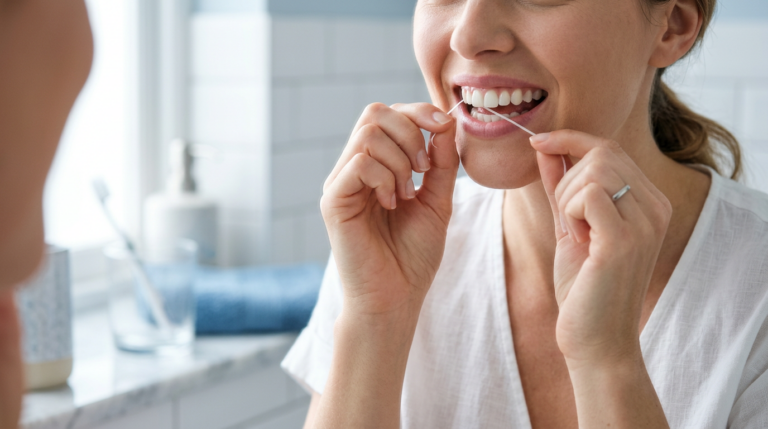
- Floss between every tooth to remove trapped food particles and food debris
- Use a tongue scraper or brush your tongue from back to front to remove tongue bacteria
- Drink a large glass of water to rinse away bacteria and keep your mouth moist
- Chew sugar-free gum (preferably with xylitol) to stimulate saliva production
- Rinse with an alcohol free mouthwash for 30 seconds to kill bad bacteria
If your breath smells better after these steps, you’re likely dealing with everyday buildup. However, if bad breath doesn’t improve within a few days of good oral hygiene, it may indicate a more serious dental or medical issue. Persistent foul odors deserve a professional dental exam to identify the root cause.
What Is Bad Breath (Halitosis)?
Bad breath, or halitosis, is a persistent unpleasant odor emanating from the mouth that’s noticeable to others. It’s different from the temporary “morning breath” most of us experience after sleeping—that typically fades after brushing.
Chronic bad breath, on the other hand, lingers throughout the day and returns quickly even after brushing. Here’s what you need to know:
- About 80-90% of chronic halitosis originates from the mouth itself—the tongue, gums, teeth, and dental restorations
- Only 10-20% of cases stem from extraoral sources like the sinuses, stomach, or systemic health conditions
- The main culprits are odor-causing bacteria that thrive in low-oxygen environments
- These bacteria break down food debris and proteins, releasing volatile sulfur compounds that create that unpleasant smell
- Common sulfur compounds include hydrogen sulfide (rotten egg smell) and methyl mercaptan
At Canyon Dental Associates, our dentists evaluate whether the source of your bad odor is oral (gums, tongue, cavities, or old restorations) or systemic. This distinction is crucial for finding the right solution for your situation.
How Bad Breath Develops: Common Causes
Understanding the root cause of your halitosis is the first step toward getting rid of bad breath for good. In most cases, it comes down to bacterial growth and what you’re consuming.
The bacteria in the mouth feed on leftover food, dead cells, and proteins. When they break these down, they produce those smelly sulfur compounds. The more bacteria, the worse your breath.
Common day-to-day triggers include:
- Poor oral hygiene—brushing misses about 40% of tooth surfaces, leaving plenty of room for plaque buildup
- Not cleaning the tongue, especially the back third, where bacteria love to hide
- Skipping dental cleanings, allowing tartar to accumulate below the gum line
- Snacking on sugary foods throughout the day, which feeds bacteria and promotes tooth decay
- Not drinking enough water, which reduces saliva’s natural cleansing action
Lifestyle contributors that worsen the problem:
- Smoking or vaping, which dries the mouth and doubles halitosis risk
- Frequent coffee consumption—its low pH and tannins promote bacterial adhesion
- Alcohol, which dehydrates oral tissues
- Mouth breathing, especially during sleep
Certain foods cause temporary bad breath through a different mechanism. Garlic, onions, and strong spices contain compounds like allyl methyl sulfide that enter your bloodstream and are exhaled through your lungs—sometimes for 24 hours or more, even after brushing.
In our Corona, CA office, we often see plaque buildup, tartar deposits under the gums, and untreated cavities as major sources of persistent odor. These issues require professional attention to resolve.
Oral Health Conditions That Can Cause Bad Breath
Sometimes bad breath is a warning sign of an underlying dental problem that needs treatment—not just stronger mints or more aggressive brushing. If you’ve been masking chronic halitosis with gum and rinses, it’s worth understanding what might be happening beneath the surface.
- Gum disease (gingivitis and periodontal disease) is the leading cause of persistent bad breath. Warning signs include bleeding gums, an unpleasant taste, and deep pockets between teeth and gums that trap bacteria and odor. According to the American Dental Association, nearly half of adults over 30 have some form of periodontal disease.
- Tooth decay and cavities: Decaying teeth harbor bacteria that produce foul odors. Even small cavities can become a breeding ground for odor-causing microbes.
- Cracked fillings and leaky crowns: Damaged dental restorations allow food and bacteria to get trapped in places you can’t clean at home.
- Dental appliances: Dentures, bridges, partials, braces, and retainers that aren’t cleaned properly can develop fungal and bacterial buildup that causes chronic bad breath.
- Abscesses and infections: These release odorous pus and require prompt treatment.
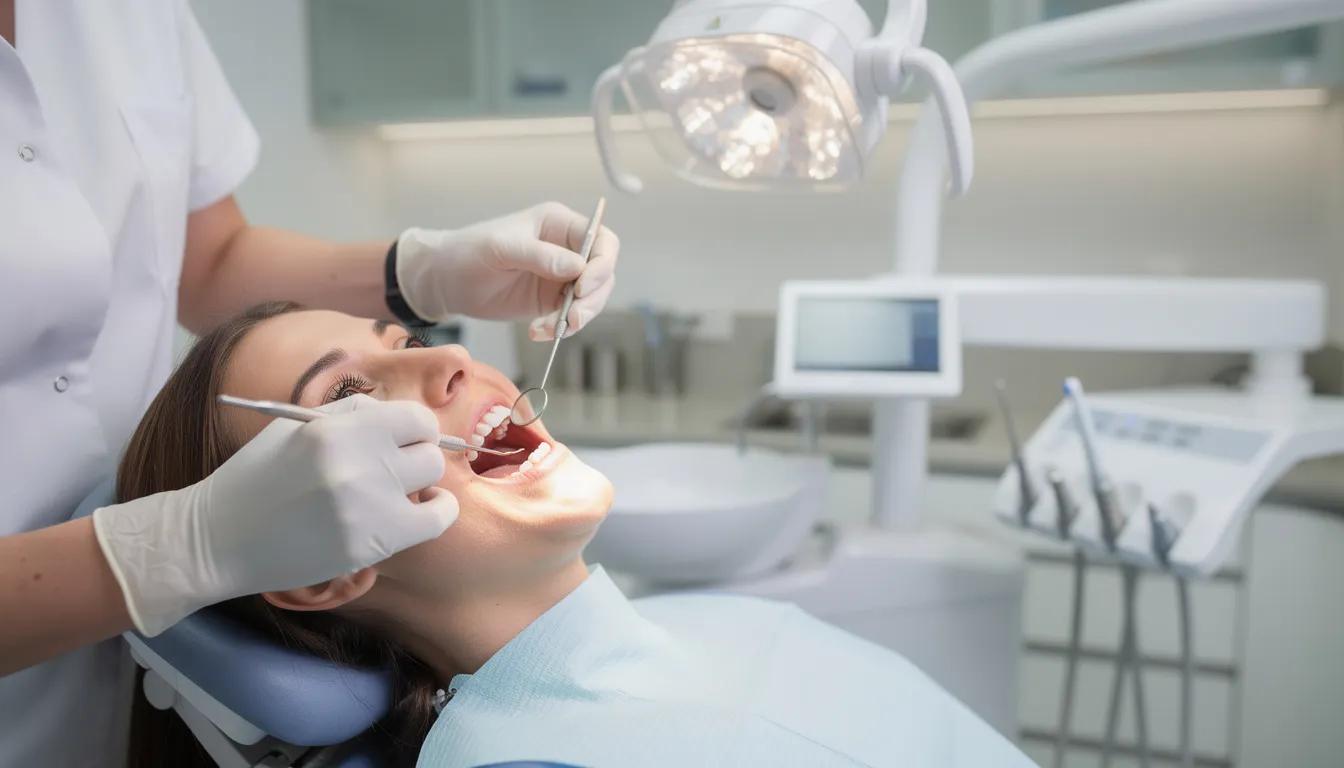
Canyon Dental Associates uses thorough exams, digital X-rays, and gentle periodontal measurements to identify these oral health issues early for families in Corona and surrounding communities. Early detection means simpler treatment and faster relief.
Medical and Lifestyle Factors Behind Bad Breath
Not all bad breath is purely a “tooth issue.” Sometimes your body’s other systems play a role, and understanding these connections helps you find the right healthcare provider.
- Dry mouth (xerostomia): This is a major factor affecting about 30% of adults. Saliva naturally cleanses the mouth, buffers pH, and washes away bacteria. When saliva production drops—due to medications like antihistamines or antidepressants, mouth breathing, or conditions like Sjögren’s syndrome—bacteria multiply, and breath suffers.
- Sinus infections and postnasal drip: Mucus draining into the throat feeds odor-causing bacteria on the back of the tongue. Allergies and chronic sinusitis can cause persistent mouth odor.
- Tonsil stones (tonsilloliths): These calcified deposits in the tonsillar crypts account for 10-15% of persistent halitosis cases and produce a strong sulfur-like odor.
- Acid reflux (GERD): Acidic stomach contents and undigested food can reflux into the throat, affecting about 20% of adults and contributing to bad breath.
- Systemic health conditions: Uncontrolled diabetes can produce a fruity acetone odor. Kidney or liver disease may cause breath to smell like ammonia. These require attention from your healthcare professional.
- Smoking and tobacco products: Beyond staining teeth, smoking worsens dry mouth, increases gum disease risk, and is linked to oral cancer—all of which contribute to halitosis.
If dental causes are ruled out, we recommend talking with your physician. At Canyon Dental Associates, we work collaboratively to ensure you get comprehensive care.
Daily Oral Care Routine to Get Rid of Bad Breath
A consistent oral care routine is your most powerful tool for preventing bad breath. Most patients in Corona, CA can follow this routine in under 10 minutes a day—and the payoff is significant.
Morning and evening essentials:
- Brush your teeth at least twice a day for a full two minutes with fluoride toothpaste. Focus on the gum line and back teeth where bacteria accumulate.
- Floss once a day to remove food and plaque between teeth where a toothbrush cannot reach. This is non-negotiable for long-term fresh breath—studies show flossing removes up to 80% of interdental debris.
- Use a tongue scraper or gently brush your tongue from back to front. The tongue’s rough surface, especially the posterior third, is where many odor-causing bacteria live. Research shows tongue scraping can reduce sulfur compounds by up to 75%.
- Finish with an alcohol free mouthwash that carries the ADA seal of acceptance. This helps reduce bacteria without drying your mouth. Remember: a mouth rinse supplements your routine but never replaces brushing and flossing.
- Replace your toothbrush every 3-4 months or when the bristles become frayed.
Canyon Dental Associates can customize an at-home oral hygiene routine for each family member based on age and individual oral health needs. What works for your teenager with braces may differ from what’s best for grandma’s dentures.
Natural and At-Home Remedies for Fresher Breath
Natural strategies can support—but not replace—professional dental care and good oral hygiene. Think of these as helpful additions to your routine:
- Stay hydrated: Aim for 6-8 glasses of water per day. Drinking plenty of water keeps saliva flowing and washes away food particles between brushes. Drinking water throughout the day is one of the simplest ways to keep your mouth moist.
- Eat crunchy fruits and vegetables: Fresh fruits like apples and vegetables like carrots and celery help mechanically clean teeth and stimulate saliva. Fresh herbs like parsley and mint can also temporarily freshen breath.
- Chew sugar-free gum: Chewing sugar-free gum (especially xylitol-based) after meals boosts saliva production and reduces cavity-causing bacteria. Studies show xylitol can reduce harmful mouth bacteria by up to 90%.
- Try sugar-free candies: These also stimulate enough saliva to help wash away food debris.
- Simple home rinses: Warm salt water or baking soda mixed with water can help neutralize acids and reduce bacterial growth. Some people find green tea helpful due to its natural antibacterial properties.
- Apple cider vinegar: While some recommend a few drops diluted in water as a rinse, use caution—its acidity can damage enamel with overuse.
- Clove oil: Has natural antibacterial properties, but should be used sparingly and never undiluted.
A word of caution: Acidic or harsh DIY remedies like undiluted vinegar or excessive essential oils can irritate tissues and damage enamel. Always check with your dentist before trying new natural remedies, especially if you have existing oral health issues.
How to Check Your Breath (And When to Be Concerned)
Many people aren’t good judges of their own breath smells. Our noses adapt to familiar odors, making it hard to detect our own halitosis.
Simple self-check methods:
- Lick the inside of your wrist, let it dry for 10 seconds, and smell it
- Gently scrape the back of your tongue with a spoon and check the residue for odor
- Floss between your back teeth and smell the floss
- Cup your hands over your mouth and nose, exhale, and sniff
Signs that bad breath may be more serious:
- Persistent bad taste or unpleasant taste that won’t go away
- A thick white or yellow coating on your tongue
- Bleeding, swollen, or receding gums
- An odor that returns within an hour of brushing
- Loose teeth or changes in how your bite feels
Consider asking a trusted partner or family member for honest feedback. It can feel awkward, but it’s often the most reliable assessment.
If bad breath lasts more than two weeks despite good oral hygiene and home care, schedule a dental exam. At Canyon Dental Associates, we can help identify whether you’re dealing with a simple fix or something that needs deeper attention.
How to Prevent Bad Breath at Work, School, and On the Go
Many of our patients in Corona, CA need quick, discreet ways to keep breath fresh during busy days. You can’t always brush after lunch, but you can be prepared.
Build a portable fresh-breath kit:
- Travel-sized toothbrush and toothpaste
- Floss picks or interdental brushes
- Travel-sized alcohol free mouthwash
- Sugar-free gum or mints (xylitol-based preferred)
Smart habits for busy days:
- Chewing gum after coffee, snacks, and lunch stimulates saliva and neutralizes odors—opt for sugar free to avoid feeding bacteria
- Sip water regularly throughout the day instead of sugary drinks, soda, or excessive coffee that can dry your mouth and feed bacteria
- Rinse your mouth with water after eating if you can’t brush
- Choose lighter lunch options before important meetings—save the garlic-heavy meals for dinner at home
- Avoid breath mints with sugar, which can actually feed bacteria and worsen the problem
These small habits can make a big difference in keeping your breath fresh and your confidence high throughout the day.

When to See a Dentist About Bad Breath
Occasional morning breath is normal—your saliva production slows during sleep, allowing bacteria to multiply. But ongoing bad breath isn’t something you should just “live with.” It’s often a sign that something needs attention.
Schedule a dental visit if you notice: For more information about what qualifies as a dental emergency, see Understanding Dental Emergencies.
- Bad breath lasting longer than 2-3 weeks despite good home care
- Bleeding, swollen, or tender gums
- Tooth sensitivity or pain
- Loose teeth or changes in your bite
- A persistent bad or unpleasant taste in your mouth
- Visible tartar buildup or discolored teeth
What to expect at Canyon Dental Associates:
- Review of your medical history and current medications
- Thorough clinical exam of teeth, gums, tongue, and throat
- Digital X-rays if needed to check for hidden decay or bone loss
- Discussion of your diet, lifestyle, and hygiene habits
- Honest, judgment-free conversation about your concerns
Potential treatments may include:
- Professional cleaning to remove plaque and tartar
- Scaling and root planing (deep cleaning) for periodontal disease
- Fillings or crowns for cavities and damaged restorations
- Adjustments to dentures or other dental appliances
- Referral to a physician if a systemic cause is suspected
Regular dental checkups every six months help catch issues before they cause noticeable odor. Many of our Corona families find that prevention saves them time, discomfort, and money compared to treating advanced problems. How can halitosis be treated most effectively? Often, it starts with simply identifying the source.
Frequently Asked Questions About Bad Breath
Can I cure bad breath at home?
Many mild cases of halitosis improve significantly with consistent brushing, flossing, tongue cleaning, proper hydration, and avoiding tobacco. Good oral hygiene handles the majority of everyday bad breath.
However, if chronic halitosis persists despite these efforts, a dental evaluation is essential. You may have gum disease, cavities, or an infection that home care alone can’t fix. Self-treatment without understanding the underlying cause can delay proper care and allow conditions to worsen.
Is mouthwash enough to get rid of bad breath?
Mouthwash can temporarily mask odors and reduce bacteria in the mouth, but it won’t fix underlying problems like periodontal disease or tooth decay. Think of it as a helpful tool, not a solution.
Choose an alcohol free mouthwash that carries the ADA seal—alcohol-based rinses can actually dry your mouth and worsen bad breath over time. You can even make your own alcohol free mouthwash with simple ingredients like baking soda and water, though commercial options are often more convenient. You can also explore making your own mouthwash using dentist-approved recipes.
Most importantly, mouthwash should always be part of a complete oral hygiene routine that includes brushing and flossing—never a substitute.
Does bad breath always mean I have gum disease?
While gum disease is one of the most common causes of persistent bad breath, it’s far from the only possibility. Other potential causes include:
- Chronic dry mouth from medications or health condition factors
- Sinus issues or postnasal drip
- Certain foods like garlic, onions, and spicy dishes
- Smoking or tobacco use
- Cavities and dental infections
- Poorly fitting dental appliances
We advise against self-diagnosing. Visit Canyon Dental Associates for an exam if you’re worried—we can help reduce bad breath by identifying the actual cause and recommending appropriate treatment.
Can children and teens have chronic bad breath?
Absolutely. Kids and teens can develop halitosis from several causes:
- Poor brushing and flossing habits
- Orthodontic appliances like braces and retainers that trap food
- Mouth breathing, especially during sleep
- Sinus infections or allergies
- Nasal foreign objects (more common in young children)
Parents in Corona, CA should watch for signs like constant mouth odor, inflamed gums, or complaints of a bad taste. Our family-focused practice can coach children on better brushing and flossing habits, clean around braces and retainers thoroughly, and help prevent bad breath before it becomes a source of embarrassment.
Fresh Breath and Confident Smiles in Corona, CA
Bad breath is common, usually treatable, and often a sign that your mouth needs some extra care or professional attention. Whether it’s improving your daily oral hygiene routine, addressing dry mouth, or treating underlying gum disease, solutions exist.
You don’t have to feel self-conscious about your breath. Most cases resolve with proper home care and regular dental visits. For persistent issues, professional treatment can make a world of difference—and it’s gentler than you might expect.
At Canyon Dental Associates, we’ve been helping families in Corona, CA smile confidently since 2007. Our team provides gentle, comprehensive preventive, restorative, and cosmetic care for patients of all ages. From professional cleanings and periodontal therapy to cosmetic dentistry, we’re here to help you achieve fresher breath and a healthier smile.
Ready to take the next step toward fresh breath and better oral health? Contact Canyon Dental Associates today to schedule a checkup or bad-breath evaluation.
Phone: 951-273-0555
Address: 2097 Compton Ave #102, Corona, CA 92881
We look forward to helping you and your family smile with confidence!