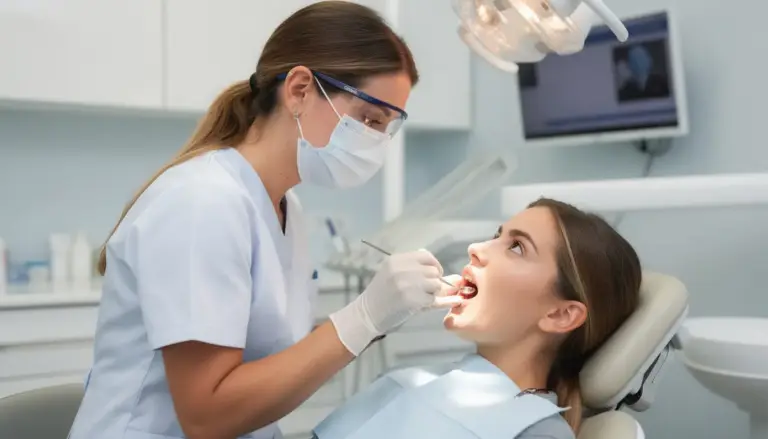
Introduction to Cosmetic Dentistry
A cosmetic dentist specializes in aesthetic dentistry procedures designed to improve the appearance of your teeth, gums, and overall smile. Unlike general dentistry, which focuses primarily on oral health maintenance, cosmetic dentistry services combine artistry with dental science to address aesthetic concerns while often providing functional benefits. A general dentist plays a crucial role in maintaining overall oral health through routine care such as cleanings, examinations, and preventive or restorative treatments, serving as the foundation for a healthy smile, while a cosmetic dentist focuses on enhancing the appearance of your teeth. Professional cosmetic procedures can transform discolored teeth, repair chips, correct misaligned teeth, and replace missing teeth for a beautiful smile that enhances your confidence and well-being.
Whether you’re considering professional teeth whitening or planning a complete smile makeover, understanding your options helps you make informed decisions about your dental care.
What This Guide Covers
This comprehensive resource explores cosmetic dental procedures, from conservative treatments like dental bonding to transformative solutions such as porcelain veneers and dental implants. We’ll examine qualifications that distinguish experienced cosmetic dentists, treatment planning considerations, and maintenance requirements for long-lasting results. This guide does NOT provide specific medical advice or cover emergency dental procedures requiring immediate attention.
Who This Is For
This guide is designed for adults considering smile enhancement through professional cosmetic dentistry. Whether you’re dealing with discolored teeth affecting your confidence or planning comprehensive aesthetic improvements, you’ll find practical information to guide your decision-making process.
Why This Matters
Your smile significantly impacts personal and professional interactions, influencing how others perceive you and how you feel about yourself. Aesthetic dental concerns can affect daily social situations, career opportunities, and overall quality of life. Cosmetic dentistry can encourage more smiling and boost self-esteem, helping you feel more confident in social and professional settings. Modern cosmetic procedures offer safe, effective solutions that often improve both appearance and oral health simultaneously.
What You’ll Learn:
- Essential cosmetic dental procedures and their specific benefits
- How to evaluate cosmetic dentists and their qualifications
- Treatment planning process and cost considerations
- Long-term care strategies for maintaining cosmetic dental work
Understanding Cosmetic Dentistry
Cosmetic dentistry focuses on improving the aesthetic appearance of teeth, gums, and smiles through specialized procedures that enhance color, shape, alignment, and overall harmony.
While general dentistry emphasizes preventing and treating oral health issues, aesthetic dentistry addresses concerns like tooth discoloration, misshapen teeth, crooked teeth, gaps between teeth, and other appearance-related problems. Many cosmetic procedures provide both aesthetic and functional improvements, supporting long-term oral health while creating beautiful smiles.
The American Dental Association recognizes that cosmetic treatments can contribute to overall well-being by improving patient confidence and encouraging better oral hygiene habits. When patients feel proud of their smiles, they’re more likely to maintain excellent routine care.
Cosmetic dentistry also includes a variety of other procedures beyond those discussed, ranging from minor fixes like whitening to more complex treatments such as implants and veneers.
Training and Qualifications of Cosmetic Dentists
Cosmetic dentists complete the same foundational education as general dentists: a bachelor’s degree followed by four years of dental school, earning either a Doctor of Dental Surgery (DDS) or Doctor of Dental Medicine (DMD) degree. This connects to cosmetic dentistry because advanced aesthetic procedures require a thorough understanding of dental anatomy, oral health principles, and treatment planning.
Many dentists pursue additional training through continuing education courses, residency programs, or fellowships focusing specifically on aesthetic procedures. The American Academy of Cosmetic Dentistry offers voluntary accreditation requiring dentists to demonstrate expertise through rigorous examinations and clinical case portfolios. The American College of Prosthodontists is another professional organization that recognizes specialists in cosmetic and prosthodontic fields, emphasizing certification, membership, and specialty recognition.
Cosmetic vs. Restorative Dentistry
Building on general dental education, cosmetic focus emphasizes aesthetic outcomes while restorative dentistry primarily addresses function and oral health. Cosmetic procedures aim to improve appearance through treatments like professional teeth whitening, porcelain veneers, and dental bonding using tooth-colored materials.
However, many treatments serve both aesthetic and functional purposes. A crown, also known as a dental crown, is custom-made to fit over a damaged or discolored tooth, restoring its strength and appearance. Dental crowns are typically made from materials such as porcelain or ceramic, and their placement process involves preparing the tooth and fitting the crown securely over it. A dental implant, or implant, is a state-of-the-art solution for replacing a missing tooth. The dental implant procedure involves surgically placing a titanium device into the jawbone, which acts as an artificial root to support restorations like crowns, bridges, or dentures. Dental implants are a common solution for replacing a missing tooth, closely resembling a natural tooth in both function and appearance, while also supporting proper chewing function and preventing bone loss.
Transition: Understanding these foundational concepts prepares you to explore specific cosmetic procedures and their unique benefits for different aesthetic concerns.
Common Cosmetic Dental Procedures
Modern cosmetic dentistry offers numerous treatment options ranging from conservative enhancements to comprehensive smile transformations, each designed to address specific aesthetic concerns while preserving natural tooth structure whenever possible. For some patients, braces may be the best solution for correcting misaligned or crooked teeth. Braces, including traditional metal braces and clear aligners, are used to straighten teeth and correct bite issues, providing both cosmetic and functional improvements.
Professional Teeth Whitening
Professional teeth whitening performed by cosmetic dentists delivers superior results compared to over-the-counter products through stronger whitening gels and custom application methods. Professional treatments are significantly more effective than over-the-counter options such as whitening toothpaste. In-office treatments can lighten teeth by several shades in a single appointment, while take-home systems provide gradual whitening under professional supervision.
The safety advantages of professional whitening include proper enamel protection, customized treatment intensity, and monitoring for sensitivity issues. Results typically last 1-3 years with proper care and maintenance, making this one of the most popular cosmetic services for addressing discolored teeth.
Porcelain Veneers
Unlike whitening, which only changes tooth color, porcelain veneers address multiple aesthetic issues, including shape, alignment, size, and severe discoloration, simultaneously. A veneer is a custom-made, thin shell of porcelain or composite material that is bonded to the front surface of a tooth to improve its appearance by correcting cosmetic dental issues such as discoloration, chips, or misalignment. These ultra-thin ceramic shells are custom-crafted in a dental laboratory to cover the front surface of teeth, creating dramatic smile transformations.
Dental veneers require minimal tooth preparation, removing only a small amount of enamel to accommodate the thin porcelain layer. With proper care, veneers can last 15-20 years, making them an excellent long-term solution for comprehensive aesthetic improvements.
Cosmetic Dental Bonding
Composite resin bonding offers a cost-effective alternative to veneers for addressing minor aesthetic concerns such as small chips, gaps, or slight discoloration. This tooth-colored material is applied directly to the tooth’s surface, allowing the dentist to shape and sculpt it for improved aesthetics during a single visit.
Bonding procedures typically require no tooth preparation and can be completed without local anesthetic for most patients. While not as durable as porcelain veneers, bonded restorations can last 5-10 years and can be easily repaired or replaced as needed.
Key Points:
- Most cosmetic procedures focus on improving tooth color, shape, and alignment
- Treatment options range from conservative (bonding) to comprehensive (full smile makeovers)
- Professional supervision ensures safety and optimal aesthetic results
Transition: With knowledge of available procedures, the next step involves choosing the right treatment approach for your specific aesthetic goals and circumstances.
Benefits of Cosmetic Dental Services
Cosmetic dental services offer a wide range of benefits that go beyond just improving the look of your teeth. With advancements in cosmetic dentistry, patients can achieve a healthy smile that boosts both appearance and confidence. Procedures such as teeth whitening, dental implants, and porcelain veneers are designed to address issues like discolored teeth, missing teeth, and misaligned teeth, helping you achieve a more attractive and functional smile.
Beyond aesthetics, many cosmetic dentistry services also contribute to better oral health. For example, correcting misaligned teeth or a misshapen tooth can make it easier to maintain proper dental hygiene, reducing the risk of decay and gum disease. Dental implants not only replace missing teeth but also help preserve bone structure and support overall oral health.
A beautiful smile can have a significant impact on your social and professional life, enhancing self-esteem and opening doors to new opportunities. The American Dental Association and the Academy of Cosmetic Dentistry recognize the important role that cosmetic dental procedures play in improving both oral health and overall well-being. By working with experienced cosmetic dentists, patients can enjoy the many benefits of modern dentistry, from a brighter smile to improved confidence and quality of life.
Choosing the Right Cosmetic Dental Treatment
Selecting appropriate cosmetic procedures requires careful evaluation of your aesthetic concerns, lifestyle factors, budget considerations, and long-term goals, working with an experienced cosmetic dentist to develop a personalized treatment plan. During this process, the dentist will thoroughly examine your mouth and gum line to determine the best approach for cosmetic improvements.
Step-by-Step: Initial Cosmetic Consultation Process
When to use this: For anyone considering smile enhancement through professional aesthetic dentistry.
- Comprehensive Evaluation: Your dentist examines your oral health, discusses aesthetic concerns, and takes digital photographs to document current conditions and plan improvements. For certain procedures, such as dental crowns, the first visit typically involves preparing the tooth and taking impressions.
- Digital Smile Preview: Advanced imaging technology allows you to visualize potential results from different cosmetic procedures before beginning treatment.
- Treatment Plan Discussion: Your dentist explains recommended procedures, alternative options, expected outcomes, and timeline for achieving your aesthetic goals.
- Cost Estimation and Financing: Detailed cost breakdown includes procedure fees, materials, and available financing options to fit your budget and insurance coverage possibilities.
Comparison: Conservative vs. Comprehensive Smile Makeover
| Feature | Conservative Treatment | Comprehensive Makeover |
|---|---|---|
| Treatment Scope | Single procedure (whitening, bonding) | Multiple procedures (veneers, crowns, implants, implant dentistry) |
| Time Commitment | Single visit to a few appointments | Several months of treatment |
| Investment Level | $200-$1,500 per tooth | $15,000-$50,000+ complete smile |
| Expected Outcomes | Minor to moderate improvements | Dramatic smile transformation |
Conservative treatments work best for patients with specific concerns like mild discoloration or small chips, while comprehensive makeovers suit those seeking complete aesthetic transformation or addressing multiple dental issues simultaneously, often incorporating implant dentistry as part of the process.
Transition: Understanding your options helps prepare you for common challenges that arise during the cosmetic dental decision-making process.
Cost and Insurance for Cosmetic Dentistry
The cost of cosmetic dentistry services can vary significantly depending on the type of procedure, the materials used, and the location of the dental practice. While some cosmetic procedures, such as dental bonding or professional teeth whitening, are relatively affordable, others, like dental implants or porcelain veneers, represent a larger investment. Dental crowns and other restorative treatments may also vary in price based on complexity and materials.
Insurance coverage for cosmetic dentistry is often limited, as many cosmetic procedures are considered elective and not medically necessary. However, certain treatments that also restore function—such as dental implants or crowns—may be partially covered by some insurance plans. To help make cosmetic dentistry more accessible, many dental practices offer flexible financing options or payment plans, allowing patients to spread the cost of treatment over time.
During your initial consultation, your cosmetic dentist will provide a detailed treatment plan and cost estimate tailored to your needs. This will include a breakdown of procedure fees, materials, and any available payment options. By discussing your goals and budget with your dentist, you can choose the cosmetic procedures that best fit your lifestyle and financial situation, ensuring you achieve the smile you desire.
Safety and Effectiveness of Cosmetic Dental Procedures
Cosmetic dental procedures are generally safe and highly effective when performed by a qualified cosmetic dentist. Professional teeth whitening, for example, uses dentist-supervised whitening gels that are both safe for your teeth and effective in achieving noticeable results. Unlike over-the-counter products, professional treatments are tailored to your needs and minimize the risk of tooth sensitivity or gum irritation.
As with any dental procedure, there are potential risks, such as temporary sensitivity or minor gum discomfort. Choosing an experienced dentist who uses high-quality materials and follows best practices is essential for minimizing complications and ensuring the best possible outcome. Your dentist will provide guidance on routine care and maintenance to help preserve the results of your cosmetic treatment and protect your oral health.
Regular dental checkups and proper home care are key to maintaining the longevity and effectiveness of your cosmetic dental work. By following your dentist’s recommendations, you can enjoy a brighter, healthier smile for years to come.
Finding a Qualified Cosmetic Dentist
Selecting the right cosmetic dentist is crucial for achieving the best results from your cosmetic dental treatment. Look for a dentist who is a member of the American Academy of Cosmetic Dentistry or has completed advanced training in cosmetic dentistry. Membership in professional organizations, such as the Academy of Cosmetic Dentistry, demonstrates a commitment to excellence and ongoing education in the latest techniques and materials.
A reputable cosmetic dentist will have a portfolio of before-and-after photos, positive patient testimonials, and a caring, patient-focused approach. During your initial consultation, don’t hesitate to ask about the dentist’s experience, the specific procedure you’re considering, and the materials that will be used. A qualified cosmetic dentist will take the time to listen to your concerns, explain your treatment plan in detail, and ensure you feel comfortable and informed every step of the way.
By choosing a skilled and compassionate cosmetic dentist, you can achieve a healthy smile that enhances your confidence and overall well-being. The right dental professional will work with you to develop a personalized treatment plan, helping you achieve the beautiful, lasting results you desire.
Common Challenges and Solutions
Many patients encounter similar concerns when considering cosmetic dental procedures, but experienced cosmetic dentists provide effective solutions to address these challenges and ensure positive treatment experiences.
Challenge 1: Dental Anxiety About Cosmetic Procedures
Solution: Modern cosmetic dentistry emphasizes patient comfort through sedation options, detailed procedure explanations, and anxiety management techniques.
Canyon Dental Associates prioritizes patient comfort by offering various sedation levels and taking time to address concerns before beginning any cosmetic treatment. Many procedures require minimal or no discomfort, and patients often report feeling relaxed throughout their visits.
Challenge 2: Budget Concerns for Cosmetic Treatment
Solution: Flexible financing options and treatment phasing allow patients to achieve aesthetic goals within their budget constraints.
Many cosmetic procedures can be completed in phases, allowing patients to spread costs over time while achieving gradual improvements. Some treatments with restorative benefits may qualify for partial insurance coverage, and payment plans make comprehensive smile makeovers accessible.
Challenge 3: Uncertainty About Treatment Longevity
Solution: Proper maintenance, education, and follow-up care maximize the lifespan of cosmetic dental work.
Your cosmetic dentist provides specific care instructions for different procedures, schedules regular maintenance appointments, and monitors the condition of cosmetic restorations to ensure long-lasting results. Professional cleanings and proper home care significantly extend the life of cosmetic treatments.
Transition: Armed with this knowledge, you’re ready to take the next steps toward achieving your ideal smile through professional cosmetic dentistry.
Conclusion and Next Steps
Professional cosmetic dentistry offers safe, effective solutions for transforming your smile while often providing functional benefits that support long-term oral health. From conservative treatments like professional teeth whitening to comprehensive makeovers involving multiple procedures, experienced cosmetic dentists help patients achieve their aesthetic goals through personalized treatment planning and expert care.
To get started:
- Schedule a cosmetic consultation to discuss your specific aesthetic concerns and explore treatment options suited to your goals and lifestyle.
- Prepare questions about procedures you’re considering, expected results, maintenance requirements, and financing options available.
- Consider your treatment goals and timeline, including whether you prefer gradual improvements through conservative treatments or comprehensive transformation through multiple procedures.
At Canyon Dental Associates in Corona, California, our experienced team combines advanced cosmetic dentistry techniques with a commitment to patient comfort and education. We invite you to schedule a consultation to discover how modern aesthetic dentistry can transform your smile and enhance your confidence for years to come.
Related Topics: Explore our preventive dental services and oral health maintenance programs that support and protect your cosmetic dental investments while promoting overall wellness.