Dental emergencies can be stressful and confusing, especially when you’re unsure if your situation requires immediate care. This guide is designed for Corona, CA patients and families to help you recognize what counts as a true dental emergency, what to do next, and how Canyon Dental Associates can help you get the right care quickly.
Key Takeaways
- A true dental emergency includes severe pain, uncontrolled bleeding, infection with swelling, or trauma that threatens your tooth or overall health—these situations cannot wait.
- Knocked-out adult teeth, dental abscesses with fever, broken teeth with exposed nerves, and heavy oral bleeding all require same-day care for the best outcomes.
- Canyon Dental Associates in Corona, CA offers same-day emergency appointments whenever possible and provides phone guidance to help you decide your next step.
- Many urgent issues can be treated effectively and comfortably when addressed quickly, often saving your tooth and preventing expensive hospital visits.
- Call the dental office first for most dental concerns, but dial 911 immediately for breathing trouble, chest pain, or major facial trauma.
What Counts as a True Dental Emergency?
A true dental emergency involves any dental problem with the potential to be life-threatening, or that includes pain, trauma, infection, or bleeding that could worsen quickly without professional treatment. Examples include uncontrollable bleeding, a spreading dental infection, and trauma to the mouth that could affect the airway.
A true dental emergency is any situation that requires same-day or immediate dental care to stop severe pain, control infection, save a tooth, or prevent further damage to your mouth. These are the moments when waiting until Monday—or even tomorrow—could mean the difference between keeping your smile and losing it.
Concrete examples include a severe toothache that won’t respond to over-the-counter pain relievers, a dental abscess causing facial swelling, a knocked-out tooth from a sports injury, a badly broken tooth with pain or exposed pulp, uncontrolled bleeding from the mouth, and trauma to the jaw or face. These situations demand urgent attention because delaying treatment often leads to complications like spreading infection, nerve damage, or permanent tooth loss.
Not every dental problem is a true emergency. A small chip without pain, a lost filling or crown that isn’t causing discomfort, or minor sensitivity can usually wait a day or two for a scheduled appointment. That said, even these issues are still important to treat soon before they become bigger problems.
Ignoring real dental emergencies can lead to hospital visits, more expensive treatment, and outcomes that could have been prevented. An abscess left untreated, for instance, can spread beyond the tooth into the jaw, neck, or even bloodstream. What starts as a toothache can become a life-threatening situation.
Canyon Dental Associates has been serving Corona, CA, families since 2007 and regularly helps patients sort out what is and is not an emergency by phone. If you’re unsure whether your situation needs immediate attention, calling the office is always the right first step.

Top Signs You’re Having a True Dental Emergency
This section walks through the most common emergency signs that patients in Corona, CA should never ignore. Recognizing these symptoms early allows you to act quickly and get the appropriate treatment before a manageable problem becomes a crisis.
The clearest warning signs include severe tooth pain that disrupts your daily life, facial or gum swelling that’s warm to the touch or getting worse, a knocked-out adult tooth, a broken tooth causing discomfort or sensitivity, and oral bleeding that won’t stop with gentle pressure. Each of these symptoms points to underlying tissue damage, infection, or trauma that needs professional evaluation the same day.
When these signs appear alongside a fever, trouble swallowing, or spreading swelling across your face or neck, you may be moving from a dental emergency into a medical emergency. Infections that compromise your airway or enter your bloodstream require hospital care.
The good news is that prompt evaluation usually leads to simpler treatment. A toothache caused by an infected nerve can often be resolved with root canal therapy and a crown. An abscess can be drained and treated with antibiotics. A cracked tooth can be stabilized before it splits completely. But delay any of these, and you may be looking at extraction, hospitalization, or long-term complications.
Severe or Persistent Tooth Pain
Tooth pain that is sharp, throbbing, wakes you up at night, or doesn’t improve with over-the-counter pain relievers is a likely emergency. This kind of pain rarely means something minor—your body is telling you that something is wrong deep inside the tooth or surrounding tissues.
Common causes include deep decay that has reached the pulp, a cracked tooth extending toward the root, an infected nerve, or a periapical abscess forming at the root tip. These conditions rarely improve on their own and typically get worse over hours or days.
If your pain has lasted more than 24 hours or is worsening, call Canyon Dental Associates immediately—even if you don’t see visible swelling yet. The sooner you’re evaluated, the more options you’ll have for treatment.
Early treatment can often save the tooth with procedures like root canal therapy followed by a protective crown, rather than requiring extraction. Many patients are relieved to learn that modern root canals are far more comfortable than their reputation suggests, especially when you’re no longer experiencing severe pain afterward.
Swelling in the Gums, Jaw, or Face
Swelling is a major red flag for infection. If the swollen area is warm, tender, or accompanied by a bad taste in your mouth or fever, your body is fighting off bacteria that have escaped from an infected tooth.
The concern with dental infections is how quickly they can spread. Bacteria can travel from the tooth root into the jawbone, then into the soft tissue spaces of the face and neck. In rare but serious cases, infection can enter the bloodstream, leading to sepsis. This is why timely care for dental abscesses is so important.
Call the dentist right away if swelling is increasing, especially if you notice it spreading toward your eye, under your jaw, or down your neck. Go directly to the ER or call 911 if you have trouble breathing, difficulty swallowing, or cannot open your mouth more than a finger-width.
Canyon Dental Associates can often drain abscesses, prescribe antibiotics when clinically appropriate, and treat the infected tooth on the same or next day. Early intervention keeps a manageable problem from becoming a hospital stay.
Knocked-Out Tooth (Adult Tooth)
A knocked-out tooth is one of the most time-sensitive dental emergencies. The best outcomes occur when the tooth is reimplanted within 30 to 60 minutes of the injury. After that window, the cells on the root surface begin to die, dramatically reducing the chance of saving the tooth.
Here’s what to do if this happens to you or your child:
| Step | Action |
|---|---|
| 1 | Find the tooth and pick it up by the crown (the white part you see in your mouth), never by the root. |
| 2 | If the tooth is dirty, rinse it gently under water for no more than 10 seconds. Do not scrub or use soap. |
| 3 | Try to place the tooth back into its socket, biting down gently on a clean cloth to hold it in place. |
| 4 | If you can’t reinsert it, place the tooth in a container of cold milk or hold it inside your cheek next to saliva. Never store it in plain water. |
| 5 | Call Canyon Dental Associates immediately for guidance while you’re on your way to the office. |
Broken, Cracked, or Chipped Tooth with Pain
Not every chipped tooth is an emergency, but breaks or cracks that expose the inner layers of the tooth are a different story. If you’re experiencing pain, sensitivity to hot or cold, or if sharp edges are cutting your tongue or cheeks, you need same-day care.
The outer enamel protects the softer dentin and nerve-rich pulp inside. When a fracture exposes these layers, bacteria have a direct path into the tooth. Untreated fractures can quickly lead to infection, deeper cracks that split the tooth, or complete tooth loss.
Emergency treatment depends on the severity. Minor fractures may need only smoothing of sharp edges and protective bonding or a filling. More serious breaks often require a crown to restore strength and protect the remaining tooth structure. If the pulp is exposed or infected, root canal therapy may be needed first.
Patients in Corona, CA, should save any large broken pieces in a clean container and bring them to the appointment if possible. In some cases, the fragment can be bonded back onto the tooth.
Uncontrolled Bleeding or Major Soft-Tissue Injury
Uncontrolled bleeding means bleeding that continues beyond 10 to 15 minutes of firm, direct pressure with clean gauze or a cloth. The mouth has an excellent blood supply, so even small cuts can bleed impressively at first. But bleeding that won’t slow down needs professional attention.
Common causes include sports injuries, falls, car accidents, or accidental bites to the lips, tongue, or cheeks. Deep lacerations that are gaping, through-and-through, or involve embedded debris or tooth fragments require more than home first aid.
Call the dental office if bleeding is manageable but not stopping. Go directly to the ER if you’re dealing with large facial injuries, a suspected broken jaw, or bleeding that simply won’t stop despite steady pressure. Canyon Dental Associates can coordinate with medical providers if your situation requires both dental and hospital care.
Most oral bleeding can be managed safely with prompt professional care, and the team at Canyon Dental Associates is experienced in handling these situations calmly and effectively.
Urgent But Not Always “True” Emergencies (Still Call the Dentist)
Some dental problems may not require same-hour care but still need to be addressed within a day or two to prevent them from escalating into real emergencies. These situations fall into the “urgent” category rather than “emergency.”
Typical examples include:
- A lost filling or crown without severe pain or swelling
- Minor chips that don’t expose the inner tooth or cause sensitivity
- Broken dentures or partials that affect eating but aren’t injuring soft tissue
- Mild sensitivity to temperature without swelling or throbbing
- A loose orthodontic bracket or wire that isn’t cutting your cheek
Call Canyon Dental Associates as soon as you notice these issues. The team can triage your concern over the phone and schedule you appropriately—often the same day or next day.
Addressing these concerns early is usually faster, less expensive, and far more comfortable than waiting until they turn into full emergencies. A lost crown left for weeks can allow decay to start on the exposed tooth. A small crack can become a complete fracture.
Don’t “tough it out,” especially if you have underlying medical conditions like diabetes, heart disease, or a compromised immune system. These conditions can accelerate the progression of dental infections and make complications more likely.
When to Call the Dentist vs. When to Go to the ER
Most dental emergencies should start with a call to your dentist’s office. Dental teams are specifically trained and equipped to handle tooth pain, infections, and oral trauma. Hospital emergency departments, while essential for life-threatening situations, typically can only provide pain medication and antibiotics—not the definitive dental treatment you actually need.
Call Canyon Dental Associates First for situations like severe toothache, cracked or broken teeth, a knocked-out tooth, a dental abscess without breathing trouble, lost dental restorations causing sensitivity, post-extraction dry socket, and soft-tissue injuries with manageable bleeding. The office can often see you the same day and provide the treatment needed to resolve your problem, not just mask the symptoms.
Go to the ER or call 911 when you’re experiencing difficulty breathing, trouble swallowing or closing your mouth, major facial trauma like a suspected broken jaw, high fever combined with rapid facial swelling, heavy bleeding that won’t slow down despite 15 minutes of pressure, or any dental injury accompanied by head trauma or loss of consciousness. These situations may require medical stabilization before dental care can proceed.
The team at Canyon Dental Associates can often advise you over the phone and help coordinate care if a hospital visit becomes necessary. Never hesitate to call—getting guidance is always better than guessing.
What to Do at Home While You’re on the Way to the Dentist
Knowing how to alleviate discomfort and reduce swelling before you reach the office can make a real difference in your comfort and even your treatment outcome. These practical, step-by-step tips are safe to use until you can be seen.
For pain and general discomfort: Rinse gently with warm water mixed with half a teaspoon of salt. This can help clean the affected area and reduce bacteria. Take over-the-counter pain relievers like ibuprofen or acetaminophen as directed on the package. Never place aspirin directly on your gums or teeth—it can cause chemical burns to the soft tissue.
For swelling or trauma: Apply a cold compress to the outside of your face, 15 minutes on and 15 minutes off. This can help reduce swelling and numb some of the discomfort. Don’t apply ice directly to the skin; wrap it in a cloth first.
For a knocked-out tooth: Follow the steps above—handle by the crown, keep it moist in milk or saliva, and get to the dentist within the hour if at all possible.
For broken teeth: Rinse your mouth gently to remove debris. If there’s bleeding, apply gentle pressure with clean gauze. Save large fragments in a clean container. Cover any sharp edges temporarily with orthodontic wax or sugar-free gum if they’re cutting your tongue or cheek.
For a lost filling or crown: You can find temporary dental cement at most pharmacies. Use it to cover the exposed tooth and reduce discomfort until your appointment. Avoid chewing on that side.
Home care is temporary relief only. It should never replace prompt professional evaluation at Canyon Dental Associates.
How Canyon Dental Associates Handles Dental Emergencies in Corona, CA
Canyon Dental Associates has been caring for Corona, CA, families since 2007, and emergency dental care is a core part of what the practice does. Dr. Shikha Banerjee and the team understand that dental emergencies don’t follow a convenient schedule, and they prioritize getting patients out of pain and protecting their oral health as quickly as possible.
When you call with an emergency, the team performs phone triage to understand your symptoms, determine urgency, and give you guidance on next steps. Same-day or next-day appointments are offered whenever possible for true emergencies, so you’re not left waiting in pain over a weekend.
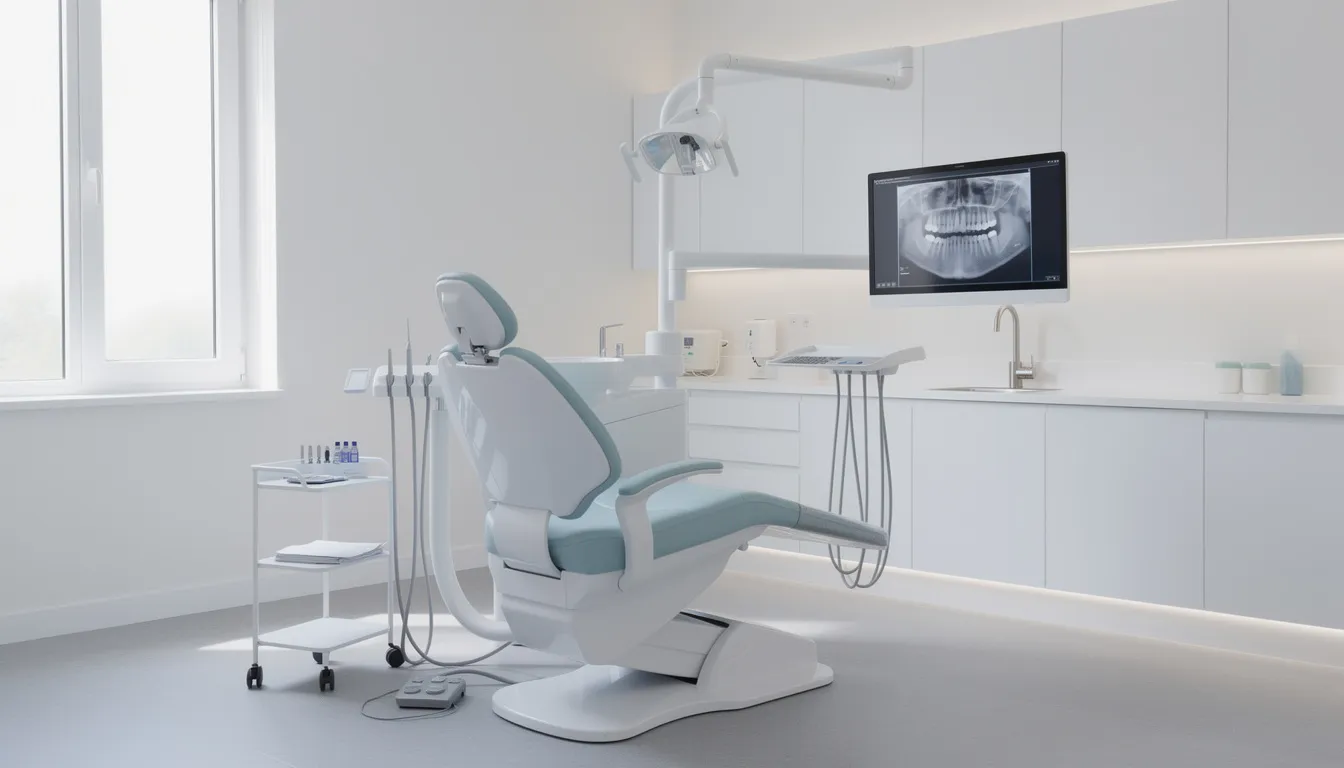
Modern technology helps the team diagnose and treat quickly. Digital X-rays provide instant, low-radiation imaging so Dr. Banerjee can see exactly what’s happening beneath the surface. Intraoral cameras allow you to see what the dentist sees. When appropriate, same-day restorations mean fewer visits and faster recovery.
Emergency treatments available at Canyon Dental Associates include:
- Fillings and temporary restorations to protect exposed teeth
- Crowns to restore broken or cracked teeth
- Root canal therapy to save infected teeth
- Abscess drainage and antibiotic prescriptions when indicated
- Tooth reimplantation and splinting for knocked-out teeth
- Gentle extractions when a tooth cannot be saved
- Repair of soft-tissue injuries
Patient comfort and safety are always priorities. The office maintains strict infection control protocols, and the team takes a calm, supportive approach that puts both adults and children at ease—especially when anxiety is already running high from an emergency.
Preventing Future Dental Emergencies
Many dental emergencies can be reduced or avoided entirely with consistent preventive care and a few smart habits. While you can’t prevent every accident, you can stack the odds in your favor.
Stay current with checkups and cleanings. Twice-yearly visits to Canyon Dental Associates allow the team to catch decay, cracks, gum disease, and even early signs of oral cancer before they become urgent problems. A small cavity treated today won’t become the abscess that wakes you up at 2 a.m. next month.
Protect your teeth during activities. If you or your children play contact sports, a custom-fitted mouthguard from your dentist offers far better protection than store-bought versions. It can prevent a knocked-out tooth, broken jaw, or lacerated lips and tongue.
Avoid risky habits. Chewing ice, biting down on hard candies, opening packages with your teeth, or using your teeth as tools puts them at unnecessary risk. A cracked tooth from crunching ice can require a crown—or worse.
Address dental concerns promptly. That twinge of sensitivity when you drink cold water, the filling that feels a little rough, or the crown that seems loose—these are all signals worth mentioning at your next visit, not problems to ignore until they escalate.
We understand that concerns about cost and time keep some families from scheduling preventive care. But preventive visits are shorter, more comfortable, and typically far less expensive than emergency care. A routine cleaning takes about an hour. An emergency root canal takes longer, costs more, and is rarely as pleasant.
Families in Corona and surrounding Riverside County communities are invited to establish a dental “home” at Canyon Dental Associates. When emergencies do happen, they can be handled by a team that already knows your history, your health, and your goals.
FAQs About True Dental Emergencies
Should I go to work or school with severe dental pain?
Severe dental pain is your body’s signal that something needs immediate attention. Trying to push through the day while managing intense discomfort often leads to overuse of pain medication, difficulty concentrating, and delayed care that makes treatment more complicated. If you’re experiencing severe pain, prioritize getting an evaluation at Canyon Dental Associates. Most true emergencies can be treated quickly, and you’ll be far more functional afterward.
How long can I safely wait with a toothache before it becomes dangerous?
A mild, occasional twinge might safely wait a few days for a regular appointment. But pain that is constant, worsening, or has lasted more than 24 to 48 hours should be treated as an emergency. Pain that comes with swelling, fever, or a bad taste in your mouth is especially concerning. Infections can escalate rapidly, and what starts as treatable tooth pain can become a hospitalization if left untreated for too long.
Is emergency dental treatment more expensive than regular care?
Emergency treatment at Canyon Dental Associates is often less expensive than people expect—and almost always less costly than an ER visit, which typically can’t provide definitive dental treatment anyway. More importantly, early intervention usually saves money in the long run. A tooth saved with a same-day root canal and crown costs far less than extraction, bone grafting, and an implant later. Addressing problems early protects both your health and your wallet.
What should I do if my child chips or knocks out a tooth?
The approach depends on whether it’s a baby tooth or a permanent tooth. For permanent teeth, follow the knocked-out tooth protocol: keep it moist, don’t touch the root, and get to the dentist within 30 to 60 minutes. For baby teeth, do not try to reimplant—this can damage the developing permanent tooth underneath. However, children should still be seen urgently after any mouth trauma to check for injuries to permanent teeth, bone, or soft tissue.
How can I prepare for a potential dental emergency?
Save Canyon Dental Associates’ phone number (951-273-0555) in your contacts now, before you need it. Consider keeping a small dental first-aid kit at home with gauze, a small container with a lid (for storing a knocked-out tooth in milk), temporary dental cement from the pharmacy, and over-the-counter pain relievers. Know where the practice is located in Corona, CA (2097 Compton Ave #102) so you can navigate there quickly if needed.
Call Canyon Dental Associates for Dental Emergencies in Corona, CA
Dental emergencies are stressful, but you don’t have to face them alone. Whether you’re dealing with severe tooth pain, a knocked-out tooth, facial swelling, or any other dental concern that can’t wait, Canyon Dental Associates is here to help. The team is experienced in quickly diagnosing problems, relieving pain, and providing the treatment you need to protect your smile.
Contact Canyon Dental Associates today:
- Phone: 951-273-0555
- Address: 2097 Compton Ave #102, Corona, CA 92881
The practice welcomes both existing and new patients from Corona and nearby Riverside County communities for emergency care and routine dental treatment. If you’re looking for the best dentist in Corona, Dr. Shikha Banerjee and the team are committed to gentle, personalized dentistry that protects both your oral health and your overall well-being for the whole family.
Save the office phone number in your contacts today—so you’re prepared if a true dental emergency ever occurs. Your teeth deserve a team that knows how to act quickly and cares about getting it right.