Key Takeaways
- Modern dentists use comprehensive examinations, including visual inspections, digital X-rays, and advanced diagnostic technolog,y to accurately identify oral health problems before they become serious
- Early detection through regular dental visits allows for simpler, more cost-effective treatments and significantly better patient outcomes for the entire family
- Advanced diagnostic tools like digital imaging and intraoral cameras help dental professionals create personalized treatment plans tailored to each patient’s unique oral health needs
- Preventive care and patient education are essential components of successful oral health management and effective disease prevention
- Canyon Dental Associates in Corona, California, provides comprehensive diagnostic services and family-friendly treatment options using state-of-the-art technology for optimal dental health
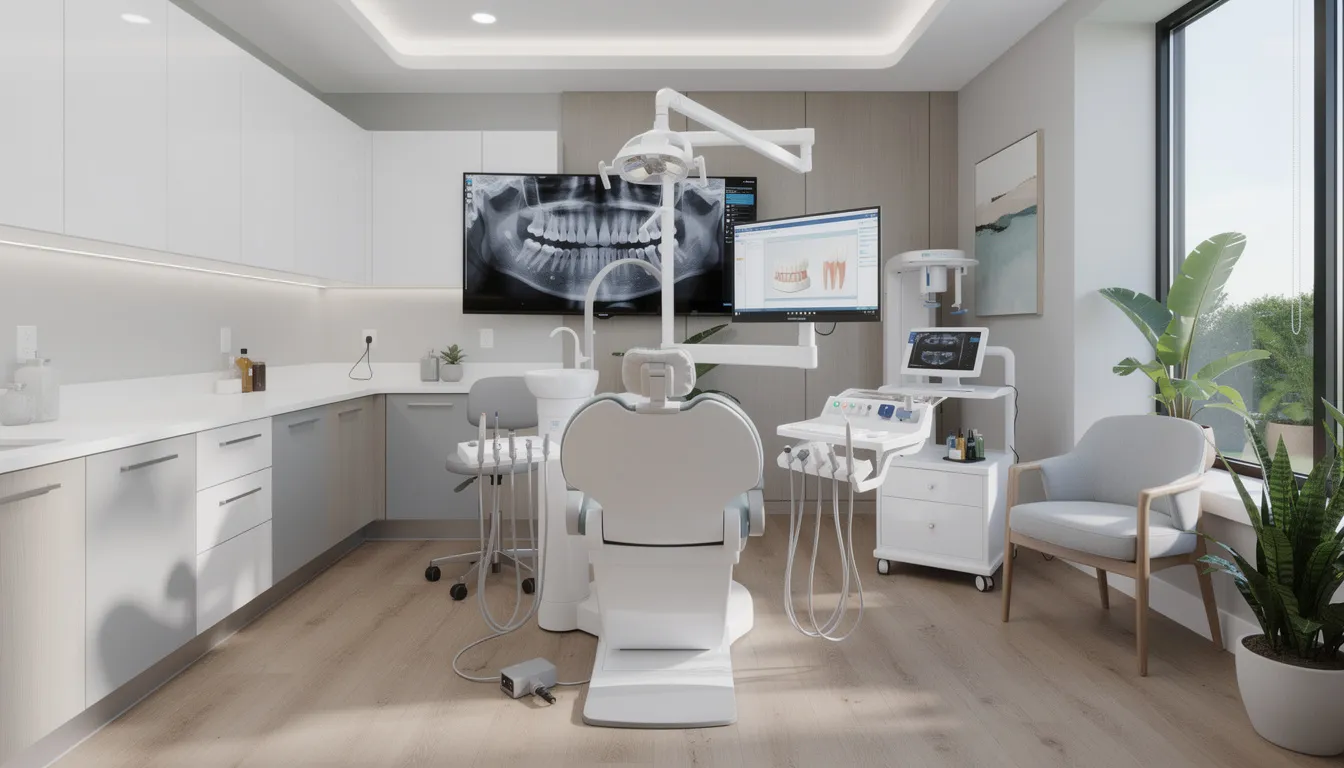
Modern dentistry has revolutionized how dentists diagnose and treat oral issues, moving far beyond the simple visual inspections of the past. Today’s dental professionals utilize sophisticated diagnostic procedures and advanced diagnostic tools to detect dental problems in their earliest stages, when treatment is most effective and least invasive. This comprehensive approach to oral health care ensures that families in Corona and surrounding Inland Empire communities receive the most accurate diagnoses and appropriate treatment options for maintaining optimal oral health throughout their lives.
Understanding how dental professionals approach diagnosis and treatment empowers patients to make informed decisions about their oral health care. From routine check-ups that prevent serious dental issues to emergency treatments that address urgent oral health concerns, modern diagnostic techniques have transformed the dental field, making dental visits more comfortable, efficient, and effective than ever before.
The Dental Diagnostic Process: Step-by-Step Examination
The foundation of effective dental care begins with a thorough diagnostic procedure that systematically evaluates every aspect of a patient’s oral health. When you visit Canyon Dental Associates in Corona, California, the comprehensive dental exam follows a structured approach designed to identify potential issues before they develop into serious dental problems. It is important to see your dentist regularly to ensure early identification and management of oral health issues.
Comprehensive Visual Examination of Oral Tissues
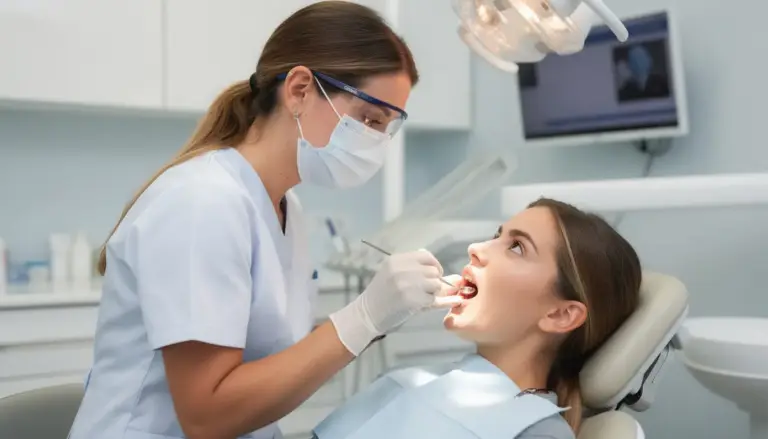
During the initial phase of the dental exam, dental professionals perform a meticulous visual inspection of all oral tissues within the oral cavity. This examination encompasses the teeth and gums, tongue, throat, cheeks, lips, and surrounding oral tissues. The dentist looks for signs of tooth decay, gum disease, oral lesions, discoloration, swelling, or other abnormalities that might indicate underlying oral diseases.
This visual inspection serves as an essential component of oral cancer screening, as dental professionals are trained to identify persistent mouth sores, unusual white or red patches, and other changes in oral tissues that may require further evaluation. Regular dental check-ups provide consistent monitoring of these tissues, enabling early detection of potentially serious conditions. For example, there have been cases where a dentist noticed a small, unusual lesion during a routine check-up, which led to early diagnosis and successful treatment of oral cancer.
Medical and Dental History Review
A comprehensive review of the patient’s medical history provides crucial information that directly impacts oral health and treatment planning. Health conditions such as diabetes, heart disease, osteoporosis, and systemic diseases can significantly influence oral health status and affect treatment options. Additionally, medications, previous dental treatments, and family history of oral diseases all contribute to the overall risk assessment.
Understanding lifestyle factors such as dietary habits, tobacco use, alcohol consumption, and oral hygiene practices helps dental professionals educate patients about risk factors and develop personalized prevention strategies. This information is particularly valuable when creating treatment plans for families, as it allows for age-appropriate guidance and interventions.
Physical Examination and Palpation
The physical examination extends beyond the oral cavity to include palpation of the neck, jaw, and facial areas. This thorough assessment helps detect enlarged lymph nodes, muscle tension, temporomandibular joint (TMJ) issues, and other abnormalities that might indicate underlying health issues or contribute to dental problems.
For patients experiencing jaw pain, clicking sounds, or difficulty chewing, this portion of the examination provides valuable diagnostic information that guides treatment recommendations and potential referrals to specialists when necessary.
Essential Diagnostic Methods and Tools
Modern dental practices like Canyon Dental Associates utilize a combination of traditional examination techniques and cutting-edge technology to ensure accurate diagnosis and optimal treatment outcomes. These diagnostic methods work together to provide a comprehensive picture of each patient’s oral health status.
Digital X-Rays and Radiographic Imaging
Digital imaging has revolutionized how dental professionals visualize and diagnose oral health issues, offering significant advantages over traditional X-rays in terms of safety, speed, and diagnostic accuracy. The reduced radiation exposure compared to conventional film X-rays makes regular dental visits safer for patients of all ages, particularly children who may require more frequent monitoring during growth and development.
Panoramic X-Rays for Comprehensive Assessment
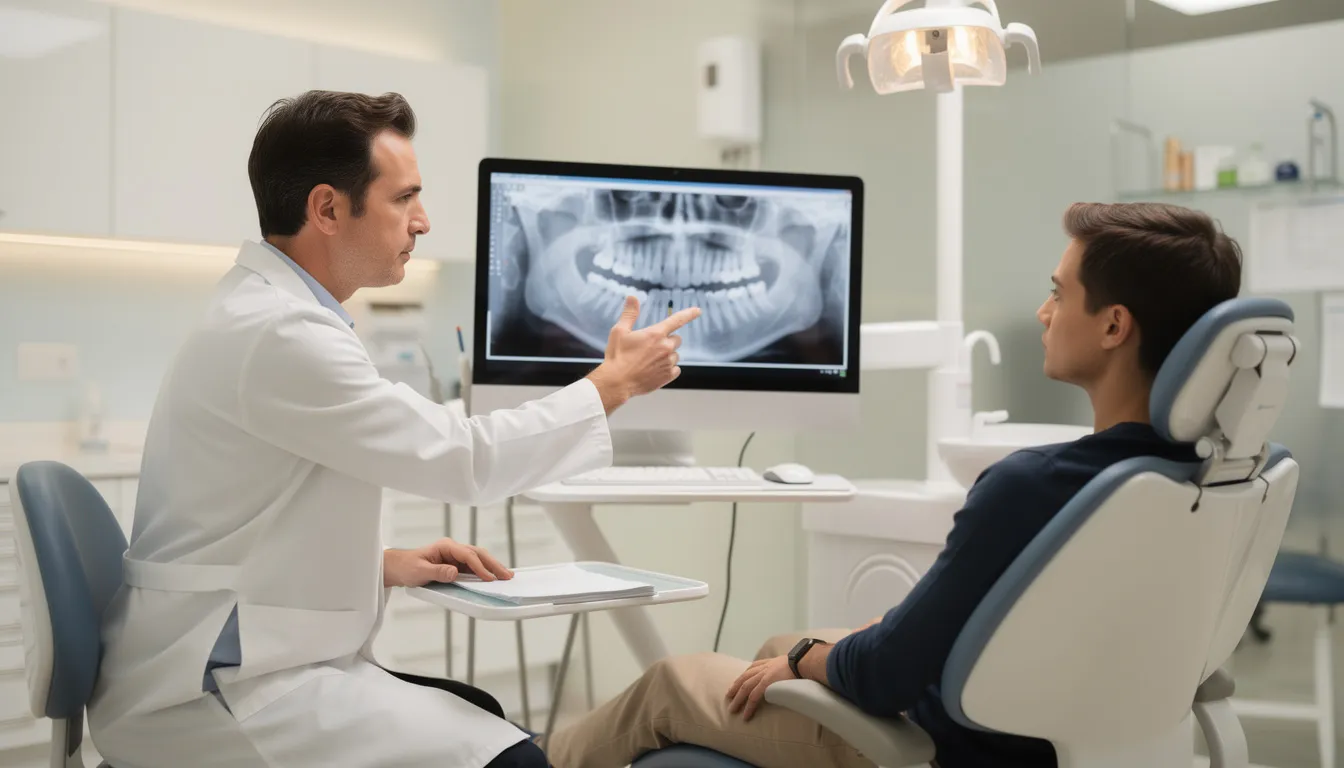
Panoramic X-rays provide a complete overview of the entire mouth structure in a single image, including all teeth, jawbones, sinuses, and surrounding structures. This comprehensive view is invaluable for detecting hidden dental issues such as impacted teeth, cysts, bone abnormalities, and developmental concerns in children and adolescents. For families in Corona seeking comprehensive care, panoramic imaging offers an efficient way to assess multiple family members’ oral health status during routine check-ups.
Bitewing X-Rays for Cavity Detection
Bitewing X-rays focus specifically on the back teeth and are essential for detecting cavities between teeth that visual inspection cannot reach. These images also allow dental professionals to monitor bone levels around teeth, providing early warning signs of gum disease or periodontal disease before symptoms become apparent to patients.
Periapical X-Rays for Detailed Tooth Analysis
When specific teeth require detailed evaluation, periapical X-rays capture the entire tooth from crown to root tip, including surrounding bone structure. This detailed imaging is crucial for diagnosing root problems, infections, fractures, and planning treatments such as root canal therapy.
Advanced Diagnostic Technology
The integration of advanced technology into dental practices has significantly improved the accuracy and comfort of diagnostic procedures. These innovations allow dental professionals to detect issues earlier and provide better patient education through clear, detailed visualizations.
Intraoral Cameras for Enhanced Visualization
Intraoral cameras provide high-resolution, magnified images of individual teeth and oral tissues, allowing both dentists and patients to see detailed views of the oral cavity in real-time. This technology enhances patient education by showing exactly what the dentist sees during examination, helping patients understand their oral health status and the necessity of recommended treatments.
The immediate visual feedback from intraoral cameras improves treatment acceptance and compliance, as patients can clearly see areas of concern, such as early-stage cavities, cracked teeth, or signs of gum disease that might not be apparent to them otherwise.
Digital Imaging Systems for Precise Treatment Planning
Modern digital imaging systems integrate multiple diagnostic tools into comprehensive treatment planning software. This technology allows dental professionals to measure cavity depth, assess bone loss, and plan restorative treatments with unprecedented precision, resulting in better outcomes and more predictable treatment success.
Periodontal Probing for Gum Health Assessment
Systematic periodontal probing measures the depth of spaces between teeth and gums, providing objective data about gum health and bone loss around teeth. These measurements are essential for diagnosing gum disease, tracking treatment progress, and determining appropriate maintenance intervals for professional cleanings.
Advanced Oral Cancer Screening Tools
Beyond traditional visual and tactile examinations, modern dental practices may utilize specialized screening tools that use fluorescence and reflectance technology to identify abnormal tissue changes. These tools enhance the dentist’s ability to detect potentially serious conditions early, when treatment outcomes are most favorable.
Common Oral Health Issues Dentists Identify
Regular diagnostic examinations enable dental professionals to identify and address common oral diseases before they progress to more serious stages requiring invasive treatments. Understanding these conditions helps patients recognize early signs and seek timely dental care.
Tooth Decay and Cavities
Dental caries remains one of the most prevalent oral health issues affecting patients of all ages. Modern diagnostic techniques can identify tooth decay in its earliest stages, often before patients experience any symptoms or discomfort.
Early-Stage Detection and Prevention
Early-stage cavities often appear as white spots on tooth enamel, indicating areas of demineralization that may be reversible with proper intervention. Advanced diagnostic tools can detect these changes before they progress to visible holes in teeth, allowing for preventive treatments such as fluoride applications or dietary modifications that can halt or reverse the decay process.
Digital imaging reveals hidden cavities between teeth that are not visible during routine visual inspection, ensuring that no areas of decay go undetected during regular dental check-ups. This early detection capability is particularly valuable for children and teens, whose developing teeth may be more susceptible to rapid cavity progression.
Comprehensive Cavity Assessment
When cavities do develop, modern diagnostic techniques accurately assess their size, depth, and proximity to the tooth’s nerve, enabling dental professionals to recommend the most appropriate and conservative treatment options. This precision in diagnosis helps preserve as much healthy tooth structure as possible while ensuring complete removal of infected tissue.
Gum Disease and Periodontal Issues
Periodontal disease affects millions of Americans and is a leading cause of tooth loss in adults. Early diagnosis and treatment of gum disease can prevent progression to more serious stages and preserve natural teeth for life. Disease control is essential in managing and preventing the progression of gum disease, as it helps maintain oral health by addressing underlying health conditions and promoting good oral hygiene.
Gingivitis: The Early Stage of Gum Disease
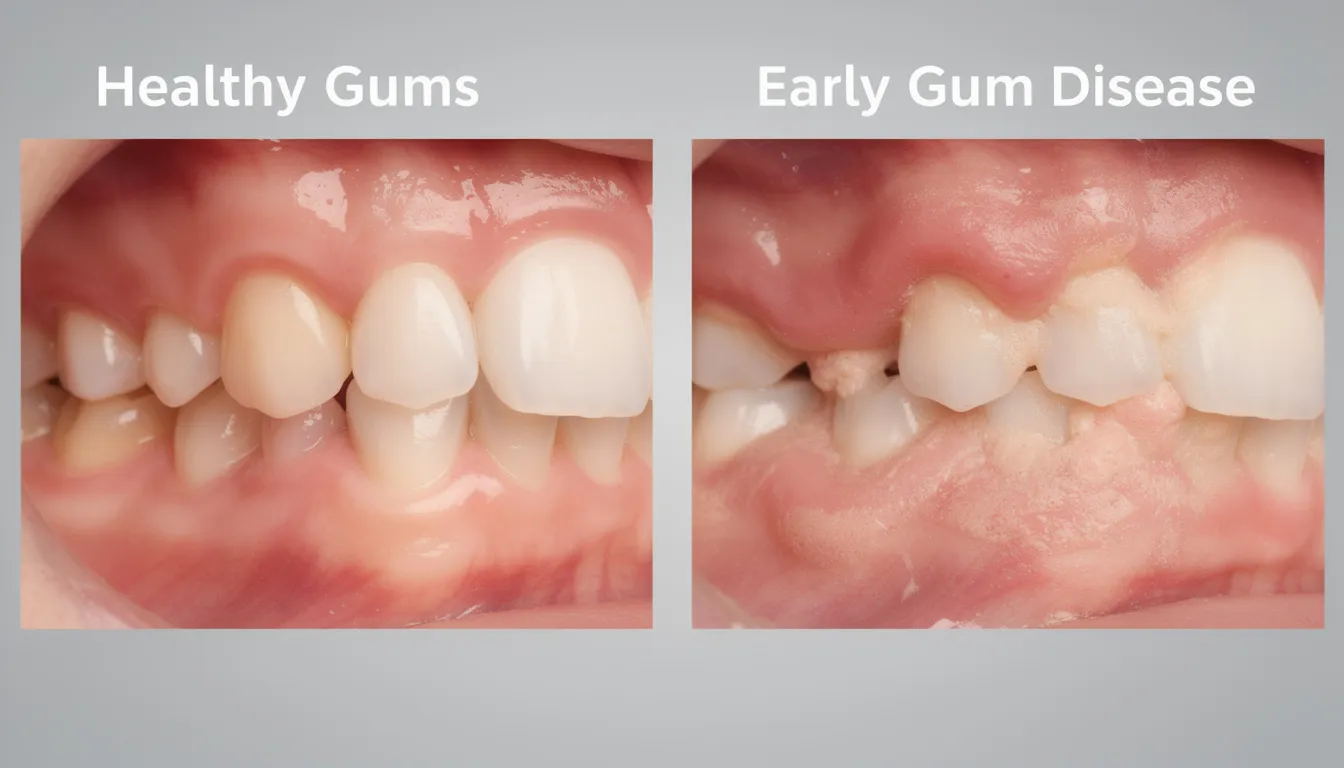
Gingivitis presents as red, swollen, or bleeding gums during brushing or flossing. This early stage of gum disease is completely reversible with proper oral hygiene and professional cleanings. Regular dental visits allow for early detection and intervention before gingivitis progresses to more serious forms of periodontal disease.
Professional cleanings remove plaque and tartar buildup that contribute to gum inflammation, while patient education on proper brushing and flossing techniques empowers individuals to maintain good oral health between appointments.
Periodontitis: Advanced Gum Disease
When gingivitis progresses untreated, it develops into periodontitis, characterized by gum recession, deep pocket formation around teeth, and bone loss supporting the teeth. Diagnostic procedures, including periodontal charting and radiographic evaluation, reveal the extent of damage and guide appropriate treatment strategies.
Early detection of periodontitis enables less invasive treatments such as scaling and root planing (deep cleaning) to halt disease progression. Advanced cases may require more intensive therapy, but early intervention significantly improves treatment outcomes and helps prevent tooth loss.
Systemic Health Connections
Research has established clear connections between periodontal disease and systemic diseases, including heart disease, diabetes, and other health conditions. Regular periodontal assessments as part of comprehensive dental exams contribute to overall health monitoring and may identify patients who would benefit from medical evaluation or closer coordination with their physicians.
Oral Cancer and Abnormal Tissue Changes
Oral cancer screening is an essential component of every comprehensive dental exam, as dental professionals are often the first to detect suspicious changes in oral tissues. Early detection of oral cancer dramatically improves treatment success rates and patient outcomes.
Identifying Suspicious Lesions
During oral cancer screening, dental professionals examine all soft tissues within the oral cavity for persistent mouth sores, unexplained ulcers, white or red patches, and other abnormal tissue changes. Any lesion that persists for more than two weeks requires further evaluation, as early intervention is crucial for optimal outcomes.
Patients with risk factors such as tobacco use, excessive alcohol consumption, or previous oral cancer diagnoses receive particularly thorough screening during each dental visit. However, oral cancer can occur in patients without traditional risk factors, making routine screening important for all patients.
Advanced Screening Technologies
Modern dental practices may employ adjunctive screening technologies that enhance the detection of abnormal tissue changes. These tools use various forms of light and imaging to identify areas of concern that might not be apparent during traditional visual examination, providing an additional safety net for early detection.
Patient Education and Risk Reduction
Oral cancer screening visits provide opportunities to educate patients about risk factors and lifestyle modifications that can reduce their chances of developing oral cancer. Tobacco cessation counseling, dietary guidance, and sun protection recommendations for lip health are all valuable components of comprehensive oral health care.
Treatment Planning and Patient-Centered Care
Effective treatment planning integrates diagnostic findings with individual patient needs, preferences, and circumstances to create personalized care strategies that optimize both oral health outcomes and patient satisfaction.
Personalized Treatment Approaches
Every patient presents unique oral health challenges and treatment goals, requiring individualized approaches to care. Canyon Dental Associates in Corona, California, develops treatment plans that consider each patient’s specific diagnostic findings, overall health status, lifestyle factors, and personal preferences.
For families, treatment planning often involves coordinating care for multiple family members with varying needs, from preventive care for children to restorative treatments for adults. This comprehensive approach ensures that all family members receive appropriate care while maximizing convenience and efficiency.
Patient Education and Informed Consent
Clear communication about diagnostic findings and treatment options is essential for patient education and treatment acceptance. Modern diagnostic tools provide visual evidence that helps patients understand their oral health status and the rationale behind recommended treatments.
Dental professionals take time to explain various treatment options, including their benefits, risks, expected outcomes, and costs, enabling patients to make informed decisions about their dental care. This educational approach builds trust and encourages long-term commitment to oral health maintenance.
Flexible Scheduling and Family Coordination
Understanding that families in Corona and surrounding communities have busy schedules, treatment planning includes consideration of appointment timing and sequencing to minimize disruption to daily routines. Coordinating care for multiple family members and offering flexible scheduling options demonstrate the practice’s commitment to patient-centered service.
Restorative and Preventive Treatment Options
Modern dentistry offers a comprehensive range of treatment options that address oral health issues while preserving natural tooth structure and supporting long-term oral health. The choice of treatment depends on accurate diagnosis and individual patient factors.
Cavity Treatment and Restorative Solutions
When dental caries progresses beyond the early stages that can be managed with preventive measures alone, various restorative options are available to repair damage and restore function.
Conservative Restorative Approaches
Tooth-colored fillings using advanced composite materials provide natural-looking repairs for cavities while preserving maximum healthy tooth structure. These materials bond directly to tooth enamel and dentin, providing excellent durability and aesthetics for patients of all ages.
For larger cavities that compromise significant tooth structure, dental crowns provide comprehensive protection and restoration of function. Modern crown materials offer excellent strength and natural appearance, allowing patients to maintain confident smiles while protecting their investment in oral health.
Advanced Restorative Procedures
When tooth decay reaches the pulp chamber, root canal therapy may be necessary to save the tooth and eliminate infection. This treatment removes infected tissue, disinfects the internal tooth structure, and seals the space to prevent reinfection, often allowing patients to keep their natural teeth for life.
The combination of accurate diagnosis and skilled treatment enables dental professionals to recommend the least invasive approach that will provide lasting results, minimizing patient discomfort and preserving natural tooth structure whenever possible.
Gum Disease Treatment and Management
Effective gum disease treatment depends on early detection and appropriate intervention based on the severity and extent of periodontal involvement.
Non-Surgical Periodontal Therapy
For early to moderate gum disease, professional deep cleaning (scaling and root planing) removes bacterial deposits and infected tissue from below the gum line. This treatment allows gum tissue to heal and reattach to tooth surfaces, often eliminating the need for more invasive procedures.
Following deep cleaning, patients typically require more frequent maintenance visits to prevent disease recurrence. These regular professional cleanings, combined with excellent home care, can successfully manage periodontal disease and preserve natural teeth.
Ongoing Maintenance and Prevention
Long-term success in gum disease treatment requires ongoing collaboration between dental professionals and patients. Regular monitoring through periodontal charting tracks healing progress and identifies any areas requiring additional attention.
Patient education about proper oral hygiene techniques, including effective brushing and flossing methods, empowers individuals to maintain gum health between professional visits. For some patients, specialized tools such as interdental brushes or antimicrobial mouth rinses may be recommended to optimize plaque control.
Integration with Overall Health Care
Given the connections between periodontal disease and systemic health conditions, dental professionals may coordinate with patients’ physicians to optimize treatment outcomes. For patients with diabetes, heart disease, or other conditions affected by oral health, this collaborative approach supports overall well-being and may improve management of systemic diseases.
The Importance of Early Detection and Prevention
The philosophy of modern dentistry emphasizes disease prevention and early intervention, recognizing that preventing oral diseases is more comfortable, cost-effective, and successful than treating advanced conditions.
Benefits of Regular Dental Check-Ups
Routine dental examinations every six months enable dental professionals to monitor oral health status and detect changes before they develop into serious problems requiring invasive treatments. This proactive approach to dental care offers numerous advantages for patients and families.
Cost-Effectiveness of Preventive Care
Early detection and treatment of dental problems significantly reduces long-term costs compared to managing advanced conditions. Small cavities can be repaired with simple fillings, while delayed treatment may require more expensive crowns, root canal therapy, or even tooth replacement options.
For families managing healthcare budgets, investing in regular preventive care provides excellent value by avoiding expensive emergency treatments and complex restorative procedures that result from untreated dental problems.
Reduced Treatment Time and Discomfort
Patients who maintain regular dental visits typically require less extensive treatments when problems do occur. Early-stage interventions are generally quicker, more comfortable, and have more predictable outcomes than treatments for advanced conditions.
Children particularly benefit from this approach, as early intervention can prevent the development of dental anxiety and create positive associations with dental care that last throughout their lives.
Long-Term Oral Health Outcomes
Consistent preventive care and early intervention lead to better long-term oral health outcomes, including preservation of natural teeth, maintenance of proper function, and sustained oral comfort throughout life.
Preservation of Natural Teeth
The ultimate goal of preventive dentistry is to help patients keep their natural teeth for life. Regular monitoring and maintenance, combined with patient education and lifestyle counseling, significantly increase the likelihood that patients will maintain their natural dentition into old age.
Natural teeth provide superior function compared to even the best replacement options, making their preservation a priority in treatment planning and patient education efforts.
Quality of Life Improvements
Good oral health contributes to overall quality of life through improved nutrition, comfortable chewing function, clear speech, fresh breath, and confident smiles. Regular dental care helps maintain these important aspects of daily life while preventing painful dental emergencies that can disrupt work, school, and family activities.
Modern Technology for Accurate Diagnosis
The integration of advanced technology into dental practices has revolutionized diagnostic accuracy and patient care, enabling dental professionals to provide more precise, comfortable, and efficient services.
Digital Diagnostic Tools and Immediate Results
Digital technology provides immediate access to diagnostic information, eliminating the wait times associated with traditional film processing and enabling real-time discussion of findings with patients.
Enhanced Patient Communication
Digital imaging allows dental professionals to display X-rays and intraoral photographs immediately on chairside monitors, facilitating detailed discussions about oral health status and treatment options. Patients can see exactly what their dentist sees, leading to better understanding and treatment acceptance.
The ability to enhance, magnify, and annotate digital images helps patients understand complex dental conditions and the rationale behind recommended treatments, fostering a collaborative relationship between dentist and patient.
Improved Diagnostic Accuracy
Digital imaging provides superior image quality compared to traditional film, with adjustable contrast and magnification capabilities that help dental professionals identify subtle changes in tooth and bone structure. This enhanced visualization leads to more accurate diagnoses and more precisely planned treatments.
The immediate availability of images also allows for consultation with specialists when needed, facilitating coordinated care and optimal treatment outcomes for complex cases.
Electronic Health Records and Care Coordination
Modern dental practices utilize electronic health record systems that maintain comprehensive patient information and facilitate communication between different healthcare providers when necessary.
Comprehensive Patient Care Tracking
Electronic records enable dental professionals to track changes in oral health status over time, identifying trends and patterns that inform treatment decisions and preventive strategies. This longitudinal view of patient health supports more personalized and effective care.
For families receiving care at Canyon Dental Associates, electronic records facilitate coordination of care between family members and ensure that important health information is readily available for all providers involved in their care.
Safety and Quality Assurance
Digital systems include safety features such as medication interaction checking, allergy alerts, and treatment history tracking that help prevent adverse events and ensure appropriate care for each patient’s unique circumstances.
Family-Friendly Care in Corona, California
Canyon Dental Associates is committed to providing comprehensive, comfortable dental care for patients of all ages in Corona and surrounding Inland Empire communities. The practice’s family-centered approach recognizes that oral health needs vary significantly across different life stages and family circumstances.
Comprehensive Services for All Ages
From pediatric preventive care to adult restorative and cosmetic treatments, Canyon Dental Associates offers the full spectrum of dental services needed to maintain optimal oral health for every family member.
Pediatric Care and Early Prevention
Children receive age-appropriate care designed to prevent dental problems and establish positive associations with dental visits. Early prevention strategies include fluoride toothpaste recommendations, dietary counseling, and protective sealants for vulnerable tooth surfaces.
Regular dental visits beginning by age one allow for monitoring of growth and development while identifying and addressing potential problems before they affect oral health or function.
Adult and Senior Care
Adult patients benefit from comprehensive care that addresses both preventive needs and any existing dental problems. Treatment planning considers lifestyle factors, health conditions, and personal preferences to develop appropriate care strategies.
Senior patients often require specialized attention to address age-related oral health changes, medication effects on oral health, and coordination with medical care for optimal overall health outcomes.
Convenient Family Scheduling
Understanding the challenges of coordinating care for busy families, Canyon Dental Associates offers flexible scheduling options that accommodate work, school, and family commitments while ensuring that all family members receive timely, appropriate care.

Education and Home Care Support
Family-centered care includes comprehensive education about oral hygiene techniques, dietary factors affecting oral health, and lifestyle choices that support optimal dental health. This educational approach empowers families to maintain good oral health between professional visits.
The practice provides resources and guidance tailored to different age groups, recognizing that effective oral hygiene techniques and nutritional needs vary across family members of different ages.
Community Connection and Local Expertise
As a locally-owned practice serving Corona and surrounding communities, Canyon Dental Associates understands the specific needs and preferences of local families. This community connection enables the practice to provide personalized service that reflects local values and priorities.
Ongoing Relationships and Continuity of Care
Long-term relationships with local families allow the dental team to provide continuity of care that spans generations, creating trust and familiarity that enhance the patient experience. Understanding family dental histories and preferences enables more personalized and effective care over time.
Frequently Asked Questions
What advanced diagnostic technologies are available at Canyon Dental Associates in Corona?
Canyon Dental Associates utilizes state-of-the-art digital radiography, intraoral cameras, and comprehensive diagnostic software to provide the most accurate assessments possible. These technologies offer reduced radiation exposure, immediate results, and enhanced patient education capabilities compared to traditional diagnostic methods. The practice’s investment in modern technology ensures that patients receive the benefits of the latest advances in dental diagnosis while maintaining a comfortable, efficient experience.
How do digital X-rays compare to traditional film X-rays in terms of safety and diagnostic quality?
Digital X-rays used at Canyon Dental Associates provide superior diagnostic quality while using significantly less radiation than traditional film X-rays – typically 50-80% less exposure. The digital format allows for immediate viewing, image enhancement, and easy sharing when specialist consultation is needed. For families with children requiring regular monitoring, this reduced radiation exposure provides important safety benefits without compromising diagnostic accuracy.
What signs should prompt me to schedule an urgent dental examination?
While regular six-month examinations catch most problems early, certain symptoms warrant immediate attention: persistent tooth pain, facial swelling, bleeding that won’t stop, traumatic injuries to teeth or jaw, severe temperature sensitivity, or any oral lesion lasting more than two weeks. Canyon Dental Associates reserves appointment time for urgent cases and provides clear guidance on when immediate care is necessary versus what can wait for a regular appointment.
How does periodontal disease diagnosis differ from routine dental examinations?
Periodontal disease diagnosis involves specific measurements of gum pocket depths around each tooth, assessment of bleeding patterns, and evaluation of bone support through radiographic imaging. This systematic approach identifies the extent and severity of gum disease more precisely than visual examination alone. At Canyon Dental Associates, this comprehensive periodontal assessment helps determine whether routine cleanings are sufficient or if specialized periodontal therapy is needed to restore gum health.
Can modern diagnostic tools detect oral health problems that wouldn’t show symptoms yet?
Yes, advanced diagnostic tools excel at detecting problems in their earliest stages, often years before patients would experience symptoms. Digital radiography reveals cavities between teeth before they’re visible, periodontal charting identifies early gum disease before pain develops, and oral cancer screening detects tissue changes before lesions become obvious. This early detection capability is one of the most significant advantages of regular dental visits – addressing problems while they’re small, manageable, and less expensive to treat.
Ready to experience comprehensive dental diagnostics with gentle, family-friendly care? Contact Canyon Dental Associates in Corona, California, today to schedule your appointment and discover the difference modern technology and personalized attention can make for your family’s oral health. Our experienced team is committed to providing the highest quality dental care using the latest diagnostic tools and treatment techniques, ensuring optimal outcomes for patients of all ages in Corona and surrounding communities.